How to Propagate American beautyberry?
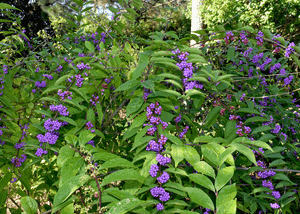
The most effective propagation techniques for American beautyberry involve either cuttings or layering, ideally performed in the fall or winter seasons. This species presents a moderate challenge for propagation; successful development is usually indicated by the emergence of buds and new leaves. Perseverance is essential.
Optimal Time for American Beautyberry Propagation
Method of Propagation
Cutting
Propagation Period
Autumn,Winter
Tools Required for American Beautyberry Propagation
Sharp pruning shears
Pruning shears are utilized to obtain cuttings from american beautyberry, ensuring clean, precise cuts to minimize harm to the donor plant and enhance rooting success. They must be sharp enough to avoid stem crushing or fraying, which impedes healing and increases infection risk.
Rooting hormone
Rooting hormone is applied to the severed end of american beautyberry cuttings to stimulate root development. It contains synthetic auxins that mimic natural plant hormones, accelerating rooting and boosting the likelihood of successful plant establishment.
Sterilization equipment (e.g., alcohol wipes, bleach solution)
Sterilization equipment guarantees that all instruments and containers employed in the propagation process are free from pathogens that could harm american beautyberry. This step is vital to prevent disease transmission during the delicate cutting and rooting phase.
Propagation trays or pots
Propagation trays or pots house the american beautyberry cuttings in a stable, controlled environment conducive to root formation. They should possess adequate drainage to prevent waterlogging, which can lead to root rot.
Soilless potting mix
Soilless potting mix, devoid of pathogens and pests, offers an ideal medium for american beautyberry cuttings. It retains sufficient moisture for rooting while allowing excess water to drain, reducing the risk of root rot.
Misting bottle
A misting bottle is employed to maintain high humidity around american beautyberry cuttings, which lessens water loss through transpiration and helps keep the delicate tissues of new roots moist until they are established.
Plastic covers or humidity domes
Plastic covers or humidity domes maintain a humid atmosphere around american beautyberry cuttings, which is crucial for preventing desiccation during the rooting process and providing conditions that foster root development.
Heat mats (optional)
Heat mats provide gentle warmth to the base of the propagation tray or pot where american beautyberry cuttings are situated, promoting faster root growth by maintaining an optimal rooting temperature.
Post-Propagation Care for Your American Beautyberry
How to Care for Your Newly Propagated American Beautyberry?
Provide american beautyberry with bright, indirect sunlight, and water sufficiently when the top inch of soil feels dry. Apply a balanced, slow-release fertilizer to support growth after the initial rooting season. Protect from extreme cold, as american beautyberry may not be winter-hardy in colder regions.
Common Errors to Avoid During American Beautyberry Propagation
Insufficient cutting preparation
Taking cuttings from american beautyberry without considering node placement can result in rooting failures. Nodes are critical as they contain the dormant buds from which roots will emerge.
Excessive watering of cuttings
While american beautyberry cuttings require a humid environment to root, overwatering can lead to fungal growth and rot, potentially killing the cuttings before establishment.
Ignoring pest problems
Neglecting to inspect cuttings and parent plants for pest infestations can allow pests to spread and damage the new american beautyberry plants.
Using unsterilized tools
Propagation attempts with unclean tools can introduce diseases to american beautyberry cuttings, leading to infections and poor plant development.
Inconsistent planting depth
Planting american beautyberry cuttings at varying depths can lead to inconsistent rooting success. Some may be too deep, causing rot, while others may be too shallow, drying out quickly.
Advice for Propagating American Beautyberry
Proper node selection
Select american beautyberry cuttings with multiple nodes. The sections just below a node are where rooting is most likely to occur, so cuttings should include this part of the stem.
Maintain humidity for cuttings
Use a plastic cover or mist regularly to keep the humidity high around american beautyberry cuttings, without overwatering. This simulates a greenhouse environment conducive to rooting.
Pest monitoring
Regularly check and treat both the parent plants and the cuttings of american beautyberry for any signs of pests to ensure the healthy growth of new plants.
Sterilize propagation tools
Always sterilize cutting tools and pots before use to prevent the spread of disease to american beautyberry and give cuttings the best chance to develop.
Consistent cutting depth
Plant american beautyberry cuttings at a uniform depth to ensure consistent moisture levels around their bases, enhancing rooting chances and growth regularity.



