How to Propagate Seaside petunia?
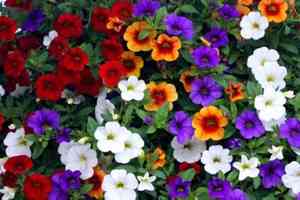
Ideal for beginner gardeners looking to enlarge their green space, seaside petunia flourishes most effectively when propagated from seed. For optimal results, gently scatter seeds on the surface of a well-draining, nutrient-rich soil blend, keeping the medium damp but not saturated. Refrain from burying the seeds deeply, as illumination aids their sprouting. Supplying mild warmth and indirect light supports the nascent plants until they are sufficiently robust for relocation. Repotting ought to involve minimal disruption to the root system to encourage vigorous growth.
When Is the Optimal Time to Propagate Seaside Petunia?
Propagation Type
Seeding
Propagation Season
Spring
What Equipment Is Used for Seaside Petunia Propagation?
Seed trays
Seed trays are shallow containers for starting seeds indoors, essential for the initial stages of seaside petunia's propagation by sowing. They enable consistent sowing and efficient space utilization, especially valuable for seaside petunia, a plant that can be delicate in its early phases. The small compartments aid in managing seed distribution, ensuring each seed has ample room to germinate without competition.
Quality potting mix
A premium, well-draining potting mix is crucial for sowing seaside petunia. It supports robust root development by offering the correct balance of air and moisture, vital for seaside petunia's initial growth phase. The mix should be sterile to prevent diseases that could impede seed germination and early growth.
Misting bottle
A misting bottle is employed to gently water seaside petunia seeds without disturbing them. The fine mist provides the necessary moisture for germination, reducing the risk of washing away or burying seeds too deeply, which could negatively impact germination rates.
Grow lights
Grow lights provide the necessary light spectrum for healthy growth of seaside petunia seedlings, particularly if natural light is insufficient. Proper illumination is critical for photosynthesis and overall health, ensuring sturdy, green, and vigorous seedlings.
Heating mat
Heating mats assist in maintaining ideal soil temperature, which is crucial for seaside petunia germination. By providing consistent warmth, they can enhance germination rates and reduce the time it takes for seeds to sprout.
How to Propagate Seaside Petunia?
Propagation Type
Simple
How to Care for Your Newly Propagated Seaside Petunia?
How to Care for Your Newly Propagated Seaside Petunia?
Post-propagation, provide seaside petunia with full to partial sun, consistent watering while allowing soil to dry slightly between waterings, and monthly fertilization during the growing season. Shield seaside petunia from frost and ensure good air circulation to prevent diseases. Removing spent flowers will encourage continuous blooming.
Common Errors to Avoid When Propagating Seaside Petunia
Overwatering
Excessive watering can lead to root rot in seaside petunia, which is detrimental to the plant's health and can hinder its ability to establish new growth.
Deep planting
Planting cuttings of seaside petunia too deep can suffocate new root growth, reducing the chance of successful propagation.
Ignoring pest management
Failing to monitor seaside petunia for pests during propagation can lead to infestations that compromise the delicate new plant.
Neglecting humidity control
Propagation environments for seaside petunia that lack humidity can cause the cuttings to dry out, potentially leading to wilting and death before rooting occurs.
Overcrowding
Placing seaside petunia cuttings too close together can create competition for resources and a breeding ground for diseases, resulting in poor propagation outcomes.
Tips For Propagating Seaside Petunia
Well-draining soil
Using a well-draining soil mix ensures that seaside petunia's roots receive the proper moisture balance, vital for healthy growth and propagation.
Stem cutting technique
Utilizing the stem cutting method for seaside petunia encourages successful rooting and new plant development as it is a proven method for this species.
Pest control
Regularly checking and treating seaside petunia for pests can prevent damage to cuttings, increasing the likelihood of successful propagation.
Appropriate planting depth
Planting seaside petunia cuttings at the correct depth allows for adequate root development without cutting off oxygen supply, which is critical for propagation.
Maintain optimal humidity
Creating a humid environment by lightly misting seaside petunia cuttings can prevent them from drying out and bolster root formation.



