How to Propagate Common boxwood?
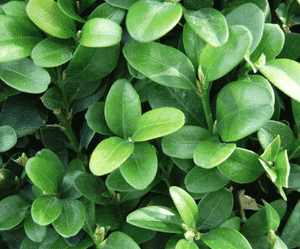
Boxwood, a common variety, is best multiplied through cuttings taken in the spring and summer seasons. This procedure presents a moderate challenge, and the emergence of new shoots signifies successful rooting. To achieve superior outcomes, utilize semi-hardwood sections from robust specimens.
When Is the Optimal Time to Propagate Common Boxwood?
Propagation Type
Cutting
Propagation Season
Spring, Summer
What Tools Are Utilized in Common Boxwood Propagation?
Sharp Pruning Shears
Crucial for obtaining clean cuts from common boxwood, sharp pruning shears minimize harm to the parent plant and produce cuttings with a smooth cut surface, essential for healthy root formation.
Rooting Hormone
This stimulates root growth in common boxwood cuttings. Applying a small quantity to the cut end can significantly boost the chances of successful rooting, as common boxwood can be slow to develop roots.
Sterile Potting Mix
A soilless sterile potting mix is vital for common boxwood because it is free from pathogens and offers a well-drained environment, reducing the risk of rot or fungal infections in the delicate cuttings.
Propagation Trays or Pots
These containers hold the sterile potting mix and common boxwood cuttings. Utilizing individual cells/trays can prevent disease spread among cuttings and allows for better growth monitoring.
Plastic Dome or Propagation Mat
Maintaining high humidity and consistent temperature is important for common boxwood cuttings. A plastic dome over the tray or a propagation mat under pots helps achieve these conditions, promoting better rooting.
Misting Spray Bottle
Regular misting with a spray bottle keeps the foliage of common boxwood cuttings hydrated, which is critical since the cuttings do not have roots to absorb water initially.
Labeling Tags
For organization and tracking progress, labeling tags can be used to note the date of propagation and any specific details about the common boxwood cuttings, ensuring proper care throughout the rooting period.
How to Propagate Common Boxwood?
Propagation Type
Cutting
Difficulty Level
Moderately Difficult
How to Care for Your Newly Propagated Common Boxwood?
How to Care for Your Newly Propagated Common Boxwood?
Following successful propagation, gradually acclimatize the new common boxwood plants to outdoor conditions over approximately one week. Once adapted, transplant them to their permanent spot in the garden or into larger containers. Provide them with well-draining soil and place them in an area with partial to full sunlight. Keep the soil consistently moist but not waterlogged. Fertilize with a balanced feed during the growing season, and prune annually to maintain the desired shape. In preparation for winter, apply mulch around the base to protect against cold temperatures. Monitor for common pests such as boxwood blight and treat as necessary.
Common Errors to Avoid When Propagating Common Boxwood
Overwatering
Excessive watering can lead to root rot and fungal diseases, impeding common boxwood's root development during propagation.
Deep planting of cuttings
Inserting cuttings too deeply into the substrate can cause them to rot before they establish roots, as common boxwood cuttings need to balance moisture with air circulation.
Neglecting humidity levels
Ignoring the necessary humidity levels can dry out or stress the cuttings, making it difficult for common boxwood to propagate successfully.
Using diseased or weak parent plants
Taking cuttings from unhealthy common boxwood leads to a higher likelihood of propagation failure due to poor genetic material and potential disease transmission.
Tips For Propagating Common Boxwood
Choosing appropriate cuttings
Select healthy, semi-hardwood cuttings of common boxwood from robust parent plants to ensure vigorous growth and higher success rates.
Proper cutting treatment
Dip the cutting ends in rooting hormone to promote root development and protect against fungal infections, which is crucial for common boxwood's propagation.
Soil preparation
Use well-draining soil and a proper potting mix to encourage good root development without causing waterlogging, which is essential for common boxwood's health.
Managed light exposure
Provide indirect light to the cuttings to avoid leaf scorch while maintaining warmth to encourage root growth, as common boxwood does not tolerate extreme conditions well.



