How to Propagate Angel's trumpet?
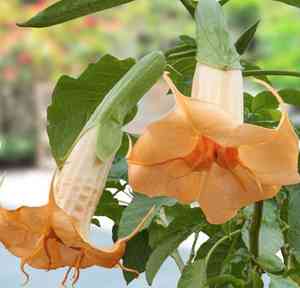
Brugmansia is most effectively propagated via stem sections, preferably in the spring and summer seasons. Its propagation presents a moderate challenge. Indicators of success encompass the emergence of new foliage and robust root development. Ensure the cuttings remain damp and warm throughout the procedure.
When Is the Optimal Time to Propagate Angel's Trumpet?
Propagation Method
Cutting
Propagation Period
Spring, Summer
What Equipment Is Utilized in Angel's Trumpet Propagation?
Sharp Pruning Shears
Pruning shears are vital for obtaining clean cuts from the parent angel's trumpet plant, which aids in preventing infection and promoting quick healing of the cut area. Sharp, sanitized blades ensure minimal harm to plant tissues, boosting the likelihood of successful rooting.
Rooting Hormone
This compound accelerates root development on angel's trumpet cuttings. Applying a rooting hormone to the stem's cut end can result in faster and more dependable root formation, thereby improving the overall propagation success rate.
Sterilizing Agent (e.g., Isopropyl Alcohol)
Prior to making cuts, sterilizing the pruning blades prevents disease transmission to the angel's trumpet cuttings. Clean tools are crucial to avoid introducing pathogens that could jeopardize propagation efforts.
Propagation Trays with Domes
These trays offer an ideal environment for angel's trumpet cuttings by maintaining high humidity and stable temperatures, both essential for encouraging root growth. The domes help retain moisture, simulating a mini-greenhouse effect.
Soilless Potting Mix
A lightweight, well-draining medium is necessary for angel's trumpet cuttings to develop roots. The absence of soil reduces disease risk and provides the required aeration for delicate new roots to flourish.
Heat Mat
By maintaining a consistent and suitable temperature at the base of the propagation tray, a heat mat encourages quicker root development in angel's trumpet cuttings, especially during cooler climates or times of the year.
Moisture Meter
Over-watering or under-watering can significantly impact the rooting success of angel's trumpet cuttings. A moisture meter assists in monitoring moisture levels in the propagation medium to ensure optimal water availability.
How to Propagate Angel's Trumpet?
Propagation Method
Cutting
Difficulty Level
Moderately Challenging
How to Care for Your Newly Propagated Angel's Trumpet?
How to Care for Your Newly Propagated Angel's Trumpet?
Post-propagation, provide the young angel's trumpet with conditions similar to those favored by mature plants. This includes placing it in a spot with ample indirect light and protection from strong winds and direct sunlight. Regular watering is necessary, but allow the top inch of soil to dry out between waterings to prevent root rot. Fertilize with a balanced, water-soluble fertilizer every 2-4 weeks during the growing season, and prune as needed to shape the plant and encourage bushier growth. Overwintering angel's trumpet in colder climates may necessitate bringing it indoors or providing frost protection. Frequently monitor for pests and diseases and treat as required.
Common Errors to Avoid When Propagating Angel's Trumpet
Overwatering cuttings
Excessive water can cause angel's trumpet cuttings to rot before they establish roots. Such an environment promotes fungal growth, which can be harmful to cutting health.
Using dull cutting tools
Dull tools when taking cuttings can crush stems, leading to poor healing and increasing disease risk in angel's trumpet. A clean, precise cut is crucial for encouraging successful root development.
Ignoring sanitation
Not sterilizing tools or using clean propagation mediums can introduce pathogens to angel's trumpet cuttings, hindering healthy root growth and potentially killing the cutting.
Planting cuttings too deep
Inserting angel's trumpet cuttings too deeply into the soil can result in stem rot and a lower chance of successful rooting.
Neglecting humidity
Insufficient humidity around angel's trumpet cuttings can lead to moisture loss and wilting before the cuttings root, as angel's trumpet often requires high humidity to stimulate root production.
Advice For Propagating Angel's Trumpet
Use rooting hormone
Applying a rooting hormone to the cut end of angel's trumpet cuttings can significantly enhance root formation and improve the chances of propagation success.
Provide indirect light
Cuttings of angel's trumpet benefit from bright, indirect sunlight. Direct sunlight can stress the cuttings and lead to dehydration or scorching.
Maintain proper airflow
Ensuring good airflow around angel's trumpet cuttings reduces the risk of fungal infections that can hinder root growth and overall plant health.
Monitor water levels
The soil for angel's trumpet cuttings should be kept moist but not waterlogged. Consistent moisture levels are crucial to encourage rooting without risking rot.
Use well-draining soil
A well-draining potting mix is necessary for angel's trumpet cuttings to prevent water accumulation and provide the right balance of oxygen and moisture for root development.



