How to Propagate Field mustard?
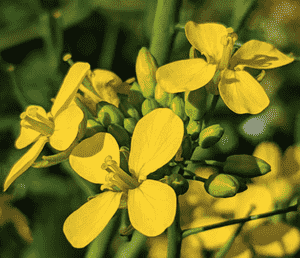
Wild mustard reproduces easily by planting seeds in the springtime. Its propagation success rate is typically high. Observe sprouting and fresh shoots as indicators of successful reproduction. Maintain appropriate soil dampness for the best outcomes.
When Is the Optimal Time to Propagate Field Mustard?
Propagation Method
Seeding
Propagation Period
Spring
What Equipment Is Used for Field Mustard Propagation?
Seed trays or flats
These shallow containers are perfect for initiating field mustard seeds under controlled conditions. Their dimensions allow for numerous seeds to be sown in a compact area, simplifying monitoring and care during early germination. They also optimize space and are easily transportable.
Fine-textured seed starting mix
This sterile growing medium offers the necessary aeration and moisture retention for field mustard germination. Being free from disease-causing organisms, it ensures a healthy start for seedlings. Its fine texture supports easy root development and expansion.
Misting bottle or gentle watering system
A tool for applying water gently, such as a misting bottle or a watering system with a fine spray, is crucial for field mustard seeds to prevent dislodging them or compacting the soil. Consistent moisture is needed for germination without risking overwatering and potential fungal issues.
Labels or markers
Used to identify different field mustard varieties and record sowing dates. Accurate labeling ensures proper tracking of growth progress and helps manage the care routine for each planting group.
Heat mat (optional)
A heat mat can be placed beneath seed trays to provide consistent warmth, potentially enhancing field mustard's germination rate, especially in cooler climates or off-peak seasons.
Grow lights or sunlight access
Sufficient light is vital for field mustard seedling development. Grow lights provide a controllable light source that can be adjusted for optimal intensity and duration, while natural sunlight is an alternative if conditions are suitable.
Dibber or small tool for seed sowing
A dibber or similar implement is useful for creating uniform holes or furrows in the seed starting mix at the correct depth for field mustard seeds, ensuring even spacing and optimal planting depth for each seed.
Transparent cover or humidity dome
This cover helps maintain high humidity levels around field mustard seedlings, which aids germination. It also assists in preserving soil moisture and temperature consistency.
How to Propagate Field Mustard?
Propagation Method
Seeding
Difficulty Level
Easy
How to Care for Your Newly Propagated Field Mustard?
How to Care for Your Newly Propagated Field Mustard?
To ensure successful growth of field mustard post-propagation, water plants regularly to keep soil moist but not waterlogged. Apply a balanced, slow-release fertilizer after the first true leaves emerge. Field mustard prefers full sun but tolerates partial shade. Protect young plants from pests and diseases through regular monitoring and preventive measures. Harvest field mustard when leaves are young and tender for best flavor, or at maturity if using seeds.
Common Errors to Avoid When Propagating Field Mustard
Overwatering
Excessive watering can lead to root rot, a harmful condition for field mustard, as its roots require air and too much water impedes this.
Planting seeds too deep
Sowing field mustard seeds too deeply may hinder germination, as they need adequate light and less resistance to break through the soil surface.
Ignoring soil type
Planting field mustard in unsuitable soil can impair nutrient absorption and drainage, both critical for its growth.
Neglecting thinning
Failure to thin field mustard seedlings can result in overcrowded plants, impeding proper growth due to competition for resources.
Ignoring pest control
Overlooking pest management can lead to infestations that stunt growth or kill field mustard before it can mature.
Tips For Propagating Field Mustard
Appropriate soil preparation
Enriching the soil with compost or well-rotted manure will provide field mustard with a good balance of drainage and nutrition, essential for its development.
Controlled watering
Watering field mustard should be consistent but regulated to keep the soil moist, preventing oversaturation which would otherwise harm seedling development.
Proper seed spacing
Spacing field mustard seeds correctly will ensure each plant has sufficient room and resources for optimal growth.



