How to Propagate Schreber's watershield?
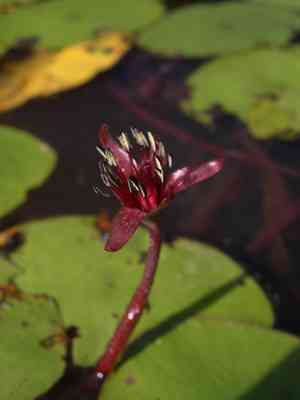
Schreber's watershield flourishes most effectively when reproduced via cutting methods. For successful reproduction, utilize robust, pathogen-free plant segments. Sever a stem portion possessing at least one joint, then embed it in water or damp earth, furnishing a consistent setting devoid of drastic thermal shifts. This approach fosters accelerated root formation, which is crucial for the aquatic existence of schreber's watershield. Confirm the cutting receives ample illumination, encouraging peak development without jeopardizing it from overexposure.
When Is the Optimal Time to Propagate Schreber's Watershield?
Propagation Method
Cutting
Propagation Period
Spring,Summer
What Equipment Is Used in Schreber's Watershield Propagation?
Sharp Pruning Shears
These are crucial for making clean cuts when harvesting cuttings from schreber's watershield, minimizing harm to the parent plantâs delicate stems. A precise cut helps prevent infections and promotes faster rooting and recovery.
Rooting Hormone
Applying rooting hormone to the cut end of schreber's watershield's stem cutting significantly boosts root development. The hormone stimulates root cell growth, increasing the likelihood of successful establishment when the cutting is placed in water.
Aquarium or Shallow Container
Since schreber's watershield is an aquatic plant, a clear aquarium or shallow container filled with dechlorinated water or a weak nutrient solution is perfect for submerging the base of the cuttings. This setup allows for continuous hydration and observation of root growth.
Heat Mat
Maintaining a consistent and suitable temperature at the base of the propagation medium can improve rooting success rates. A heat mat placed beneath the aquarium or container can provide a steady source of bottom heat, encouraging quicker root growth in cooler environments.
Filtered Light Source
Sufficient illumination, ideally from a filtered light source, is vital as it supports photosynthesis without causing heat stress or scorching the young cuttings of schreber's watershield. This lighting setup will promote healthy leaf development while roots establish.
How to Propagate Schreber's Watershield?
Propagation Difficulty
Easy
How to Nurture Your Newly Propagated Schreber's Watershield?
How to Nurture Your Newly Propagated Schreber's Watershield?
After propagation, schreber's watershield requires specific attention to flourish. Maintain water quality by regularly removing debris and regulating nutrient levels to prevent excessive algae growth. Schreber's watershield thrives in full to partial sunlight, so ensure the planting location receives adequate light. Keep the water level stable, and during colder months, protect schreber's watershield from freezing temperatures if necessary. Consistent observation and timely intervention will help in establishing a healthy plant.
Common Errors to Avoid When Propagating Schreber's Watershield
Overcrowding
Planting schreber's watershield too closely can restrict access to essential sunlight and nutrients, leading to stunted growth and reduced vigor.
Incorrect Water Depth
Submerging schreber's watershield too deeply or too shallowly in water affects its ability to thrive, potentially resulting in leaf decay or root exposure.
Ignoring Water Quality
Using unfiltered or chemically treated water can introduce harmful substances, impacting schreber's watershield's health and growth rate.
Advice For Propagating Schreber's Watershield
Appropriate Depth
Ensure schreber's watershield is submerged at the correct depth in water. Typically, positioning the root system about 4-6 inches below the water surface is optimal.
Ample Spacing
Provide sufficient space between plants. This prevents competition for nutrients and light, ensuring healthier growth and easier management.
Use of Clean Water
Always use clean, preferably nutrient-rich water for planting schreber's watershield. This supports healthier root development and prevents leaf degradation.



