How to Propagate Blue Grama?
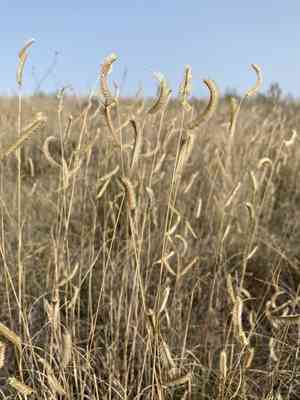
Blue Grama thrives well when propagated through division, which involves splitting the plant's rootball into smaller segments. This method is particularly effective because it sustains the robust root system and ensures that each new plant has a head start with an established chunk of roots. This approach allows gardeners to expand their turf or rehabilitate patches that might have thinned out.
What Is the Best Time To Propagate Blue Grama?
Propagation Type
Division
Propagation Season
Spring,Autumn
What Tools Are Used in Blue Grama Propagation?
Sharp Garden Knife or Horicultural Knife
Essential for cleanly and accurately dividing the root clump of blue Grama. A sharp blade minimizes damage to the roots, ensuring better survival and growth rates post-propagation. It helps in making precise cuts, crucial for maintaining the health of blue Grama during division.
Garden Fork or Spade
Used to gently lift the root ball of blue Grama from the soil without causing excessive disturbance or damage to the root system. A garden fork, with its sturdy tines, is particularly effective in loosening the soil around the roots, making the extraction process smoother.
Rooting Hormone (optional)
While not essential, applying a rooting hormone to the cut surfaces of blue Grama's roots can enhance the establishment and growth of new plants. This hormone promotes quicker root development, which is beneficial for a grass species that relies on a healthy root system for propagation.
Watering Can with a Fine Rose
Ensures gentle watering of blue Grama after division, necessary to help newly planted divisions establish without washing away soil or exposing roots. The fine rose attachment distributes water evenly, mimicking light rainfall.
Labeling Tags
Use to label different divisions of blue Grama, especially if propagating multiple varieties or to monitor different growth conditions. Accurate labeling aids in tracking the progress and health of each division over time, crucial for effective plant management.
How to Propagate Blue Grama?
Propagation Type
Easy
How to Care for Your Newly Propagated Blue Grama?
How to Care for Your Newly Propagated Blue Grama?
Post-propagation, ensure blue Grama is exposed to full sun to partial shade, an environment it thrives in. Water blue Grama moderately as it is drought-tolerant once established but needs regular watering during the establishment phase. During the growing season, feed with a balanced, slow-release fertilizer to encourage robust growth. Monitor for pests and diseases although blue Grama is relatively low-maintenance and resilient. Cut back foliage in late winter to prepare for new growth in spring, which keeps blue Grama looking tidy and vibrant.
Common Mistakes to Avoid When Propagating Blue Grama
Overwatering
Watering blue Grama too frequently can lead to root rot because its natural habitat is well-drained and dry. Excessive moisture inhibits proper root development and increases susceptibility to fungal diseases, hindering healthy growth.
Deep planting
Planting blue Grama seeds or young plants too deeply can prevent successful germination and root expansion. Blue Grama requires light for optimal germination, and deep planting blocks necessary light exposure.
Ignoring soil composition
Using a soil mix that does not drain well or mimicking a rich, fertile soil can be detrimental. Blue Grama thrives in looser, well-drained soil, and poor drainage can lead to water retention and root diseases.
Crowding plants
Planting blue Grama seedlings too close together can lead to competition for light, nutrients, and water. This results in weaker plants that are more susceptible to diseases and have reduced vigor.
Tips For Propagating Blue Grama
Soil preparation
Prepare a well-drained soil mix, ideally with sandy or loamy components, to promote healthy root development and reduce the risk of water retention and fungal diseases.
Seed scattering
Scatter seeds on the soil surface rather than burying them. Light is crucial for the germination of blue Grama, so exposed seeds tend to perform better.
Moderate watering
Water blue Grama sparingly and allow the soil to dry out between waterings. Adequate moisture is necessary, but overwatering is harmful.
Spacing
Ensure adequate spacing between seedlingsâabout 6 to 12 inches apart. This spacing prevents overcrowding and promotes sufficient sunlight and air circulation for each plant.



