How to Propagate Paperflower?
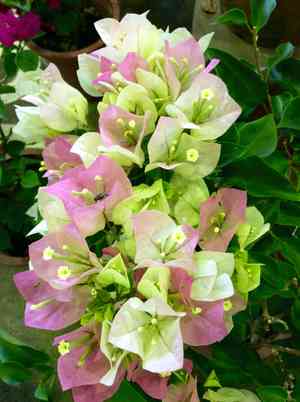
Paperflower is most effectively multiplied via cuttings taken in the spring or summer. Novices might find this technique somewhat challenging, yet the emergence of fresh shoots on the cuttings signifies successful propagation. Maintaining consistently damp soil and ensuring adequate drainage are essential.
Optimal Time for Paperflower Propagation
Propagation Method
Cutting
Propagation Period
Spring, Summer
Tools Required for Paperflower Propagation
Pruning Shears
These are essential for taking cuttings from paperflower. The blades must be sharp and clean to ensure a precise cut without harming plant tissues, which could impede rooting.
Rooting Hormone Powder or Gel
This assists in stimulating root development from paperflower cuttings. It enhances the likelihood of successful root formation and should be applied according to product guidelines for best outcomes.
Sterile Potting Mix
A sterile potting mix, free from pathogens, is vital for planting the cuttings. It offers a healthy environment for the new paperflower roots, reducing the risk of soil-borne illnesses.
Containers or Pots with Drainage Holes
These are utilized for planting the cuttings. Drainage holes are crucial to prevent waterlogging, which can cause rot at the base of paperflower cuttings before they root.
Plastic Bags or Propagation Dome
These establish a miniature greenhouse environment, maintaining humidity around paperflower cuttings, which is advantageous for root development. They should be used carefully to prevent mold growth.
Misting Bottle
Used to gently hydrate the cuttings without disturbing the soil or causing erosion around the paperflower stems. Regular misting maintains the necessary moisture for cuttings during the rooting phase.
Heat Mat (Optional)
While not mandatory, a heat mat can improve rooting success by maintaining a consistent and appropriate temperature for paperflower root growth during cooler climates or seasons.
Labeling Tags
These aid in identifying paperflower cuttings and recording the propagation date. This is important for monitoring progress and maintaining an organized propagation setup.
How to Propagate Paperflower?
Propagation Method
Cutting
Difficulty Level
Moderately Challenging
Caring for Your Newly Propagated Paperflower
Caring for Your Newly Propagated Paperflower?
Once the paperflower has rooted and adjusted, continue to provide it with bright, indirect sunlight and shield it from frost, as it thrives in warm climates. Water thoroughly when the top inch of soil feels dry, and apply a balanced, slow-release fertilizer during the growing season. Prune as needed to encourage branching and maintain the desired shape, and monitor for pests and diseases. Ensure good air circulation and consider using support structures for climbing varieties. Repot your paperflower as it grows, typically every two or three years, to provide fresh soil and additional space for root development.
Common Errors to Avoid When Propagating Paperflower
Overwatering cuttings
Excessive water can lead to rot in paperflower cuttings before they establish roots. It's essential to maintain a balance, as paperflower prefers drier conditions for successful root development.
Using old or woody stems
Selecting older or more fibrous stems for cuttings can impede the rooting process because these parts of paperflower are less likely to produce new roots compared to younger, green growth.
Ignoring wound healing
Failing to allow the cut end of a paperflower cutting to heal or callus before planting may increase the risk of infection, which can prevent rooting and growth.
Planting deeply
Burying paperflower cuttings too deep can discourage rooting and airflow, potentially leading to decay or fungal infections.
Tips For Propagating Paperflower
Use healthy cuttings
Select healthy and vigorous semi-ripe cuttings from paperflower, as these have the highest potential to root successfully and grow into robust plants.
Proper cutting size
Ensure that cuttings are the optimal sizeâusually 4-6 inches longâas this increases the chances of successful rooting and minimizes resource strain on the new plant.
Perfecting moisture levels
Maintain a consistently moist, but not waterlogged, soil or rooting medium for paperflower cuttings to encourage rooting without risking rot.
Provide indirect light
Paperflower cuttings benefit from bright, indirect light, which supports the rooting process without causing the intense stress that direct sunlight can induce on the sensitive cuttings.



