How to Propagate Leafy goosefoot?
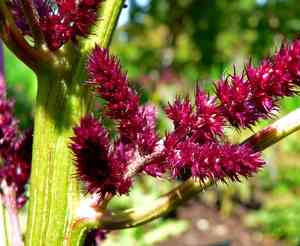
The most effective method for propagating leafy goosefoot involves planting its seeds. For superior development, utilize a growing medium that drains efficiently and sustain uniform dampness without saturating it. Confirm that the seeds are planted at an appropriate, usually shallow, depth to facilitate sufficient light penetration for germination. Once the seedlings produce their true leaves, thinning them out can foster more robust growth and avert excessive density. Careful handling during transplantation is vital due to the fragile root structure of leafy goosefoot.
Optimal Period for Propagating Leafy Goosefoot
Propagation Method
Sowing
Propagation Season
Spring
Essential Tools for Leafy Goosefoot Propagation
Seed trays
These are shallow containers featuring numerous small compartments or cells, each designed to hold individual seeds. For leafy goosefoot, seed trays facilitate even seed distribution and provide ample room for initial root development. As leafy goosefoot can be directly sown, seed trays optimize space and resource utilization, enabling better management of the seedlings' environment.
Potting mix
A well-draining, nutrient-rich potting medium is vital for the germination of leafy goosefoot. The mix should ideally contain components such as peat, vermiculite, and perlite, which aid in moisture retention while ensuring good aeration. This fosters healthy root growth, crucial for the successful establishment of leafy goosefoot seedlings.
Watering can with a fine rose
This implement allows for gentle irrigation, which is critical for the delicate seeds and seedlings of leafy goosefoot. The fine rose attachment ensures water is distributed uniformly and softly, preventing the dislodging or burying of seeds that could impact germination rates.
Labeling sticks
These are utilized to mark seed trays, which is essential for monitoring the growth progress and varieties of leafy goosefoot. Accurate labeling assists in maintaining precise records of planting dates and varieties, proving beneficial for sequential sowing and cultivation practices.
Light source (optional)
If propagating leafy goosefoot indoors or in low-light conditions, a grow light can be advantageous. Sufficient light is crucial for the development of robust, photosynthetically active seedlings. This tool helps ensure seedlings receive adequate illumination, especially when natural sunlight is scarce.
How to Propagate Leafy Goosefoot?
Propagation Type
Easy
Post-Propagation Care for Leafy Goosefoot
How to Care for Your Newly Propagated Leafy Goosefoot?
Following propagation, continue to care for leafy goosefoot by ensuring it receives full sunlight to partial shade. Water the plant regularly to maintain moist soil, especially during dry spells. Leafy goosefoot benefits from a balanced, water-soluble fertilizer applied monthly during its active growth period. Monitor for pests and diseases, addressing them as needed. As leafy goosefoot matures, you may need to provide support with stakes or a trellis to keep it upright and thriving.
Common Errors to Avoid When Propagating Leafy Goosefoot
Overwatering
Excessive watering of leafy goosefoot can lead to root rot and fungal infections. These plants prefer moist but well-drained soil, and too much moisture can suffocate roots, impeding growth and propagation.
Deep planting
Planting leafy goosefoot seeds too deeply can hinder their germination. Leafy goosefoot seeds require a certain amount of light to sprout and should be sown at a shallow depth.
Ignoring soil quality
Using substandard soil that lacks nutrients or proper drainage can severely impact leafy goosefoot's health. Unsuitable soil conditions can result in weak plants less likely to flourish and propagate.
Overcrowding
Sowing leafy goosefoot seeds too closely together can lead to insufficient airflow and limited resources for the seedlings. This can result in weaker plants and increases the risk of disease spread.
Tips For Propagating Leafy Goosefoot
Seed stratification
Exposing leafy goosefoot seeds to a cold, moist period before planting can enhance germination rates. This process helps to break seed dormancy and stimulate growth.
Light soil cover
Lightly covering leafy goosefoot seeds with soil helps maintain the necessary moisture and allows for light penetration, which is crucial for germination.
Consistent moisture
Keeping the soil consistently moist (but not waterlogged) is key for leafy goosefoot seed germination. A balanced environment encourages healthy root development.
Thinning seedlings
Thinning out leafy goosefoot seedlings early on ensures that the remaining plants have adequate space to grow. This improves access to nutrients and reduces competition, leading to stronger and healthier plants.



