How to Propagate Queen's tears?
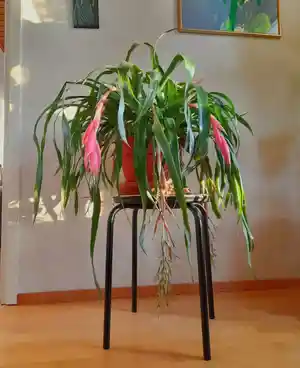
Billbergia nutans is efficiently multiplied by means of separation. Gently detach the young plantlets or 'pups' from the main clump once they achieve an appropriate dimension, generally exhibiting multiple roots or a miniature rosette. Employing a sterile, keen implement is crucial to lessen harm and facilitate rapid recuperation. Position these fresh segments into a potting substrate that drains effectively, appropriate for bromeliads, to foster robust development. Consistent, measured irrigation will aid in the successful rooting of the new specimens.
Optimal Time for Queen's Tears Propagation
Propagation Method
Splitting
Propagation Period
Spring,Autumn
Essential Tools for Queen's Tears Propagation
Sharp Knife or Scissors
These are crucial for cleanly detaching the offsets or 'pups' from the main queen's tears plant. A keen blade ensures a precise cut, minimizing harm to both the parent plant and the pups. This promotes quicker recovery and lessens the chance of infection, aiding healthy new growth.
Sterilizing Agent (e.g., Isopropyl Alcohol or Bleach Solution)
Used to sanitize cutting implements before and after use. This practice prevents the spread of diseases and fungi among plants, vital for maintaining the overall health of queen's tears throughout the propagation process.
Watering Can with a Fine Rose
Essential for gently watering newly planted queen's tears pups, ensuring the soil is uniformly moist without becoming waterlogged, which could cause root rot. The fine rose attachment helps distribute water softly around the plant, minimizing disturbance to the young roots.
Rooting Hormone
While not always required, applying a rooting hormone to the cut ends of queen's tears pups can boost root development and improve the success rate of propagation. It stimulates faster root growth, helping the new plants establish quickly.
Potting Soil, preferably a light, well-draining mix
Perfect for planting the new queen's tears pups. A well-draining mix supports good root growth without holding too much moisture, which could lead to root rot. The light texture allows young roots to spread out easily.
How to Propagate Queen's Tears?
Propagation Type
Simple
How to Care for Your Newly Propagated Queen's Tears?
How to Care for Your Newly Propagated Queen's Tears?
Post-propagation, position queen's tears in bright, indirect light. Water sparingly, allowing the soil surface to dry between waterings. Fertilize lightly every four weeks with a balanced, water-soluble feed. Maintain high humidity around the plant, if possible, and ensure it is shielded from extreme temperatures.
Common Mistakes to Avoid When Propagating Queen's Tears
Overwatering after division
New queen's tears divisions have limited root systems and are susceptible to rot if watered excessively. Overwatering can suffocate the roots, leading to fungal infections and plant demise.
Planting in incorrect soil medium
Using a soil that retains too much moisture or lacks aeration can hinder root growth in queen's tears due to insufficient oxygen and proper drainage.
Using dull or dirty cutting tools
Blunt or contaminated cutting tools can harm the parent and offspring queen's tears plants, potentially introducing disease and impeding recovery.
Neglecting high humidity requirements
Queen's tears needs a humid environment to flourish. Ignoring humidity needs can result in slow root development or desiccation of the plant.
Separating pups too early
Detaching the offsets, or 'pups,' from the parent queen's tears plant before they have developed their own root systems can lead to the failure of the pups to establish and grow.
Tips For Propagating Queen's Tears
Adequate lighting
Provide bright, indirect light to queen's tears while avoiding direct sun exposure, which promotes healthy growth without risking sunburn.
Use sharp and sterilized tools
When dividing queen's tears, always use well-sterilized and sharp tools to make clean cuts, minimizing the risk of disease transmission and promoting quicker healing.
Rooting in appropriate medium
Root queen's tears offsets in a well-draining, airy potting mix or an orchid substrate to provide the necessary support and moisture balance for new roots.
Maintain adequate humidity
Ensure a high humidity level around queen's tears during the initial stage of propagation to encourage root growth without saturating the soil excessively.
Wait for pup development
Allow pups of queen's tears to develop a small root system while still attached to the parent plant to increase the likelihood of successful separation and independent growth.



