How to Propagate Chard?
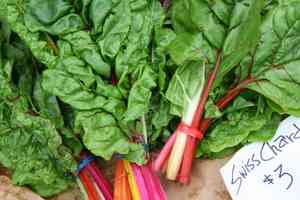
Swiss chard is generally multiplied by seeding. Cultivators ought to choose rich, permeable earth and embed the seeds superficially, since illumination is vital for peak sprouting. Sufficient distance is essential to permit vigorous development and full plant dimensions. Steady hydration must be upheld throughout germination without inducing saturation. As chard becomes established, thinning is significant to avert excessive density and foster sturdy progress in the surviving specimens.
When Is the Optimal Time to Propagate Chard?
Propagation Method
Seeding
Propagation Period
Spring
What Equipment Is Used in Chard Propagation?
Seeds
Chard is typically grown from seeds. Fresh, high-quality seeds ensure strong germination rates.
Seedling trays
These enable efficient germination of chard seeds under controlled conditions. Individual compartments prevent root entanglement and simplify transplanting.
Potting soil
A light, nutrient-rich potting mix improves chard germination rates by providing adequate moisture and nutrients.
Watering can with a fine rose
Ensures gentle watering of chard seeds and seedlings, preventing soil erosion or seed displacement.
Labels and markers
Useful for recording the sowing date and chard variety, crucial for tracking growth and maintaining organization.
Grow lights (for indoor propagation)
Provide the necessary light spectrum to support healthy chard seedling growth, especially important where natural sunlight is insufficient.
How to Propagate Chard?
Propagation Type
Simple
How to Care for Your Newly Propagated Chard?
How to Care for Your Newly Propagated Chard?
Post-propagation, continue to water chard regularly, especially during dry periods, to maintain consistent soil moisture. Apply a balanced fertilizer every 4-6 weeks to support healthy growth. Harvest leaves as needed by cutting outer leaves from the plant's base, allowing inner leaves to continue growing. Protect chard from extreme temperatures and mulch around the base to conserve moisture and suppress weeds.
Common Errors to Avoid When Propagating Chard
Overwatering
Excessive water can lead to root rot in chard, which hinders growth and can ultimately kill the plants.
Deep sowing
Sowing seeds too deeply can prevent chard from successfully germinating due to insufficient light and oxygen.
Overcrowding
Planting chard too close together can impede air circulation and light penetration, leading to weaker plants and increased disease susceptibility.
Ignoring soil quality
Chard thrives in rich, well-draining soil. Neglecting soil quality can stunt growth and reduce yields.
Neglecting thinning
Failing to thin out chard seedlings can result in competition for nutrients, light, and space, hindering growth and health.
Tips For Propagating Chard
Moisture control
Maintain consistent moisture levels when watering chard to avoid water stress and support steady growth without causing root rot.
Shallow sowing
Sow chard seeds shallowly, about 1/2 inch deep, to facilitate proper germination and ensure seedlings have access to light.
Adequate spacing
Space chard plants about 12 inches apart to ensure they have room to grow and to promote good air circulation.
Soil preparation
Enrich the soil with compost or well-rotted manure before planting chard to provide the nutrients needed for robust growth.
Regular thinning
Thin out chard seedlings early to give the remaining plants enough space to develop fully and to improve overall plant health.



