How to Propagate Common barberry?
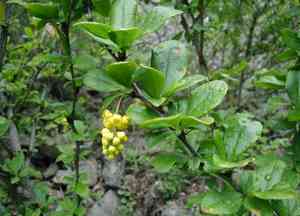
Berberis vulgaris is a bush recognized for its golden blossoms and crimson, extended fruits. Reproduction is frequently accomplished via sections, a suitable technique customized for this variety. For thriving development, one ought to collect semi-hardwood sections during the plant's vigorous growth period. The sections should encompass multiple nodes, and it is prudent to embed them in porous soil enriched with organic material. Rooting stimulant can boost success rates, followed by a regular irrigation schedule without waterlogging the substrate. With appropriate attention, these sections will establish sturdy root systems and ultimately mature into vigorous bushes.
Optimal Time for Common Barberry Propagation
Propagation Method
Cutting
Propagation Period
Autumn,Winter
Tools for Common Barberry Propagation
Sharp Pruning Shears
Crucial for making clean, precise cuts on common barberry stems, sharp pruning shears reduce damage and prevent disease entry during cutting preparation. Sterilize shears before use to avoid pathogen introduction to fresh cuttings.
Rooting Hormone Powder
This product boosts root development and improves cutting success by stimulating growth at the cut site. Apply a small amount of rooting hormone powder to the base of common barberry cuttings for healthier, quicker root formation.
Propagation Trays
Used to arrange and hold common barberry cuttings during the rooting process. These trays help maintain ideal humidity and temperature, vital for effective rooting. Select trays with drainage holes for aeration and to prevent overwatering.
Peat Pots
Biodegradable and support healthy root growth without needing pot transfers, which can stress young plants. Peat pots are especially useful for common barberry as they can be planted directly into the soil, minimizing root disturbance during transplanting.
Misting Bottle
Important for maintaining moisture levels around common barberry cuttings. Regular misting keeps the environment humid, which aids leaf and stem cuttingsâ root initiation and development. Fine mist avoids soil disruption while providing necessary moisture.
Heat Mat
Warming the soil can significantly enhance the rooting process for common barberry, especially in cooler climates. A heat mat provides a consistent heat source, encouraging faster root growth and increasing overall propagation success.
How to Propagate Common Barberry?
Propagation Type
Moderately Difficult
Caring for Newly Propagated Common Barberry
Caring for Newly Propagated Common Barberry
Once common barberry cuttings have developed a sufficient root system and new growth appears, gradually acclimate them to outdoor conditions before transplanting into a larger pot or a permanent garden spot. Common barberry prefers well-drained soil, sunny to partly shaded locations, and can be pruned annually in late winter to maintain shape and promote air circulation. Monitor for pests and diseases, and irrigate during prolonged dry periods.
Common Mistakes to Avoid When Propagating Common Barberry
Over-watering cuttings
Excessive water can lead to root rot in common barberry cuttings before they can establish. Soggy soil conditions encourage fungal infections that may kill young plants.
Using diseased parent plants
Propagating common barberry from an unhealthy parent can transfer harmful pathogens to the cuttings, potentially resulting in poor growth or death of the propagated plants.
Taking cuttings from non-vigorous growth
Selecting weak or old growth for cuttings can result in poor rooting and establishment, as these parts of common barberry may lack the necessary vigor for successful propagation.
Ignoring soil conditions
Using an unsuitable soil mix may hinder root development in common barberry cuttings. A well-draining mix is essential to prevent moisture-related issues and promote healthy root formation.
Neglecting pest control
Failing to manage pests during the early stages of propagation can weaken or kill young common barberry plants. Pests such as aphids can transmit diseases and deplete vital nutrients from the cuttings.
Tips For Propagating Common Barberry
Semi-hardwood cuttings
Use semi-hardwood cuttings from common barberry taken in late summer. This type of cutting tends to root better and produces more robust plants compared to softwood or hardwood cuttings for this species.
Clean cutting tools
Sterilize all cutting tools before use to avoid introducing pathogens to the common barberry cuttings. Clean cuts also promote better healing and rooting.
Rooting hormone
Dip the base of common barberry cuttings in a rooting hormone to encourage root development. This promotes faster rooting and increases the chances of successful propagation.
Provide proper light
Ensure common barberry cuttings receive adequate, but indirect, light. Direct sunlight can cause stress and desiccation in new cuttings, while insufficient light can lead to weak growth.
Moderate watering
Maintain consistent but moderate watering to keep the soil moist but not waterlogged. Overly dry or wet soil can impede root formation in common barberry cuttings.



