How to Propagate Leatherleaf mahonia?
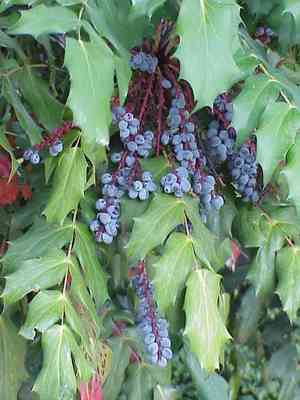
Leatherleaf mahonia reproduces most effectively via cuttings taken in the spring and summer seasons. This method of propagation presents a moderate challenge, with the appearance of fresh leaves signaling successful establishment. To achieve the best results, ensure steady levels of moisture in the air and a warm environment.
Optimal Time for Leatherleaf Mahonia Propagation
Propagation Method
Cutting
Propagation Period
Spring, Summer
Tools Required for Leatherleaf Mahonia Propagation
Sharp Pruning Shears
These are crucial for obtaining clean, precise cuttings from leatherleaf mahonia. A keen blade ensures a quick cut, minimizing harm to the parent plant and boosting the cutting's rooting potential by preventing disease and dieback.
Rooting Hormone Powder or Gel
When applied to the severed end of a leatherleaf mahonia cutting, rooting hormone can stimulate root formation and enhance propagation success. This is particularly useful for hardwood cuttings, which might root slower without it.
Sterile Potting Mix
A clean, well-draining, pathogen-free potting mix is essential for leatherleaf mahonia cuttings to root successfully. The sterile medium provides an ideal environment for root development without the threat of soil-borne illnesses.
Propagation Tray with Dome
This tool maintains a humid atmosphere around the leatherleaf mahonia cuttings, which helps prevent water loss through transpiration. A dome also aids in temperature stability, vital for encouraging root growth.
Heating Mat
For certain species, including leatherleaf mahonia, a consistent and slightly elevated soil temperature can promote quicker and more dependable root development. The heating mat provides a steady heat source to achieve these conditions.
Disinfectant for Tools
To prevent disease transmission between plants, it's crucial to sanitize pruning shears and other tools before use on leatherleaf mahonia. Clean cuts are less likely to introduce infections that can compromise the propagation process.
Misting Bottle
A misting bottle can be used to maintain high humidity around the leatherleaf mahonia cuttings, especially important during the initial stages of root development. Humidity helps reduce water stress and keeps the leaves hydrated.
Labels and Waterproof Marker
Accurate labeling allows for precise tracking of leatherleaf mahonia cutting varieties and propagation dates. This helps in monitoring growth and development over time, which is crucial for understanding progress and adjusting care as needed.
How to Propagate Leatherleaf Mahonia?
Propagation Type
Cutting
Difficulty Level
Moderately Difficult
Caring for Your Newly Propagated Leatherleaf Mahonia
Caring for Your Newly Propagated Leatherleaf Mahonia
After propagation, new leatherleaf mahonia plants require attention to ensure successful establishment. Water them regularly to keep the soil consistently moist but not waterlogged. Apply a balanced, slow-release fertilizer to encourage new growth. Mulch around the base of leatherleaf mahonia to retain moisture and suppress weeds. Protect young plants from intense sun by providing partial shade and from extreme temperatures, especially during winter. Prune leatherleaf mahonia to maintain its shape and remove any dead or diseased foliage. Monitor for pests and diseases, treating any infestations promptly to keep your leatherleaf mahonia healthy.
Common Mistakes to Avoid When Propagating Leatherleaf Mahonia
Overwatering cuttings
Excessive watering of cuttings can lead to root rot and fungal infections, which can be detrimental to leatherleaf mahonia's delicate new root systems. This error hinders the crucial early development of the propagated plants.
Neglecting hygiene
Using unsanitized tools or containers can introduce pathogens to leatherleaf mahonia, impeding its growth or even killing the young plants. Cleanliness is vital for preventing disease during the critical stages of propagation.
Ignoring parent plant health
Taking cuttings from an unhealthy or stressed leatherleaf mahonia can result in weak propagated plants that may not thrive. The parent plant's condition directly impacts the success rate of the new cuttings.
Not providing adequate humidity
Failing to maintain a humid environment for leatherleaf mahonia's cuttings can cause them to lose moisture too quickly, stress the plant, and reduce the chances of successful root development.
Using improper soil medium
Choosing the wrong type of soil medium can impede leatherleaf mahonia's root growth and aeration, crucial factors for a cutting to establish itself and grow effectively.
Tips For Propagating Leatherleaf Mahonia
Rooting hormone application
Applying a rooting hormone to leatherleaf mahonia cuttings can significantly improve the chances of root development, encouraging stronger and healthier growth.
Selective pruning
When taking cuttings, choosing the healthiest and most vigorous parts of the parent leatherleaf mahonia ensures that the propagated plants will inherit robust characteristics and have a better start.
Proper cutting length
Ensuring that cuttings are neither too long nor too short helps balance the demands on the fledgling root system and the cuttings' need for photosynthesis, increasing the success rate of propagation.
Consistent moisture regulation
Keeping the soil consistently moist but not waterlogged provides the ideal conditions for leatherleaf mahonia cuttings to develop roots without the risk of rot or fungal diseases.
Controlled light conditions
Providing indirect light to leatherleaf mahonia's cuttings helps prevent desiccation and sunburn while supplying the necessary energy for root initiation and growth.



