How to Propagate Brazilian begonia?
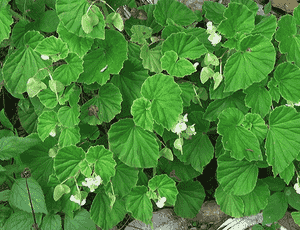
Hailing from Brazil's verdant woodlands, brazilian begonia is an attractive plant valued for its impressive leaves and simple maintenance. For multiplying brazilian begonia, stem sections represent the most efficient technique. Select a robust stem possessing at least two leaves and execute a precise incision beneath a joint. Insert the cutting into a potting blend that drains effectively, guarantee steady dampness, and supply ample, diffused illumination to foster root development. Rooting stimulant can elevate successful outcomes but isn't mandatory. Following several weeks, the cutting ought to establish roots, at which point it can be cared for like an established brazilian begonia.
Optimal Period for Brazilian Begonia Propagation
Propagation Method
Cuttings
Propagation Period
Spring,Summer
Tools for Brazilian Begonia Propagation
Sharp Pruning Shears
These are crucial for obtaining precise cuttings from brazilian begonia. Sharp blades ensure clean cuts, preventing harm to the parent plant and encouraging healthier root growth in the cuttings. It's vital to select shears that make a neat, non-crushing cut to avoid disease entry.
Rooting Hormone Powder
This enhances the probability of successful root development in brazilian begonia cuttings. By dipping the cut end of the cuttings into the hormone powder, you promote faster root initiation and stronger root systems, which is essential for the survival and growth of new brazilian begonia plants.
Sterile Potting Mix
A well-draining, sterile potting mix offers the perfect environment for brazilian begonia cuttings to root. It prevents disease and supports adequate moisture retention without causing waterlogging, which can be harmful to root health.
Propagation Trays
Used to organize and hold brazilian begonia cuttings during the initial rooting phase. These trays should have proper drainage and be sized to accommodate multiple cuttings, helping to maintain the necessary humidity and temperature for rooting.
Humidity Dome
This tool aids in maintaining high humidity levels around brazilian begonia cuttings, which is critical during root development. A dome prevents excessive water loss from the cuttings, thereby improving survival rates until they are strong enough to sustain themselves.
Heat Mat
For brazilian begonia, maintaining a consistent and appropriate temperature around the rooting medium can significantly boost rooting success. A heat mat ensures that the temperature remains stable, especially important in cooler environments.
How to Propagate Brazilian Begonia?
Propagation Type
Easy
Caring for Your Newly Propagated Brazilian Begonia
Caring for Your Newly Propagated Brazilian Begonia
Once roots are established, carefully transplant each new brazilian begonia plant into its own pot with a well-draining standard potting mix. Provide bright, indirect light; avoid direct sunlight which can harm the leaves. Water brazilian begonia when the top inch of soil feels dry but ensure proper drainage to prevent root rot. Regular humidity can be beneficial. Fertilize monthly with a balanced, water-soluble fertilizer at half-strength during the growing season.
Common Errors to Avoid When Propagating Brazilian Begonia
Overwatering
When propagating brazilian begonia, a frequent error is providing too much water. This can lead to root rot and fungal diseases, which may ultimately kill the young plants.
Poor cutting selection
Another mistake is using low-quality or diseased cuttings for propagation. These cuttings have a reduced chance of rooting successfully, affecting the overall health and growth of brazilian begonia.
Inadequate light
Placing brazilian begonia in areas with insufficient light during propagation can result in weak, leggy growth, diminishing the plant's ability to thrive and fully develop.
Tips For Propagating Brazilian Begonia
Use healthy stem cuttings
For successful propagation of brazilian begonia, choose healthy and disease-free stem cuttings. This increases the chances of successful rooting and robust growth.
Maintain optimal humidity
Maintaining high humidity around the cuttings of brazilian begonia helps prevent them from drying out before they establish roots. A simple way to achieve this is by covering the cuttings with a plastic bag, creating a miniature greenhouse effect.
Provide indirect light
Ensure that brazilian begonia receives indirect but bright light. Direct sunlight can be too harsh and may scorch the cuttings, while insufficient light might inhibit rooting and growth.
Monitor water needs carefully
Water the cuttings of brazilian begonia adequately but do not overwater. The soil should be moist, not soggy, to promote healthy root development without risking fungal issues.



