How to Propagate Bonsai begonia?
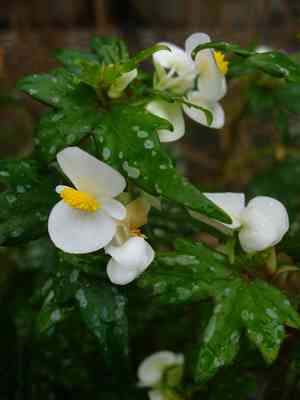
Bonsai begonia flourishes with proper propagation. Begin by choosing a robust leaf, verifying it lacks any imperfections or ailments. Divide the leaf into sections, each containing a vein, and embed these in a damp, adequately draining substrate. Maintaining steady humidity and refraining from excessive watering is crucial to avert decay. Root systems generally appear within several weeks, followed by fresh sprouts. After they are settled, the nascent plants can be transplanted to foster further development. Proficiency in these methods will result in thriving offspring.
Optimal Period for Bonsai Begonia Propagation
Propagation Type
Cutting
Propagation Season
Spring,Summer
Tools Required for Bonsai Begonia Propagation
Sharp Pruning Shears
These are vital for obtaining clean, precise cuttings from the parent bonsai begonia. A clean cut helps prevent disease and encourages better root development at the cutting site, which is key for successful propagation.
Rooting Hormone
This chemical aids in stimulating root growth at the cutting point of bonsai begonia. Employing a rooting hormone enhances the likelihood of successful root formation and can significantly accelerate the propagation process.
Sterilized Potting Mix
A sterile substrate is crucial for bonsai begonia cuttings to prevent infection and disease during the delicate rooting phase. A light and well-draining mix supports the growth of new roots without holding excessive moisture that can cause root rot.
Propagation Tray with Dome
This setup provides a regulated humidity environment, which is beneficial for bonsai begonia cuttings. The dome helps maintain consistent moisture levels around the cuttings, assisting in root development without requiring frequent watering.
Heating Mat (Optional)
While not strictly necessary, a heating mat can be utilized to provide consistent bottom warmth, which promotes faster root development in bonsai begonia cuttings. This tool is especially useful in cooler climates or during colder months.
Method for Propagating Bonsai Begonia
Propagation Type
Easy
Post-Propagation Care for Your Bonsai Begonia
Post-Propagation Care for Your Bonsai Begonia
Following propagation, gradually introduce bonsai begonia to lower humidity by increasing air circulation before completely removing the plastic cover. Continue to keep the soil slightly moist and provide indirect light. Avoid direct sunlight as it can scorch the leaves. Begin fertilizing with a balanced liquid fertilizer at half strength once new growth is observed. Repot annually to refresh the soil and accommodate root expansion.
Common Errors to Avoid When Propagating Bonsai Begonia
Overwatering
When propagating bonsai begonia, a common mistake is excessive watering, which leads to root rot, where the delicate new roots of the propagules may decay in overly moist conditions, reducing survival rates.
Deep planting
Planting bonsai begonia cuttings too deeply can cause the stems to rot before roots form. It is essential to insert the cuttings shallowly to prevent burying them where they cannot access sufficient air.
Ignoring humidity
Neglecting the need for high humidity can result in the drying out of bonsai begonia's cuttings. This plant requires a consistently high humidity environment during the initial root formation stage.
Using unsuitable soil
Employing heavy or non-draining soil mixtures for bonsai begonia cuttings can hinder root growth. Poor soil choice can lead to waterlogging and inadequate aeration.
Advice for Propagating Bonsai Begonia
Correct medium
Use a light, well-draining potting medium, such as a mix of peat and perlite. This ensures adequate moisture retention without waterlogging, facilitating healthier root development for bonsai begonia.
Control humidity
Maintain a high humidity environment for bonsai begonia, which could involve using a humidity dome or placing the pot in a more humid area. This supports cuttings in retaining moisture crucial for root formation.
Proper cutting depth
Insert cuttings just deep enough to support themselves. For bonsai begonia, shallow planting encourages optimal air exposure and reduces the risk of stem rot.
Moderate watering
Supply bonsai begonia with gentle, consistent moisture but avoid soggy conditions. Allow the top layer of the soil to dry slightly between waterings, which helps encourage root growth without risking fungal diseases.



