How to Propagate Wax begonia?
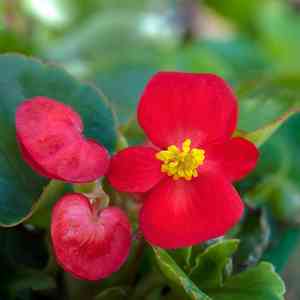
Wax begonia is readily multiplied through either entire-leaf or soft-stem cuttings throughout the Spring and Summer periods. The ease of propagation differs based on the technique selected, yet indicators of successful multiplication encompass the emergence of roots and fresh foliage. It is crucial to maintain the cuttings in a damp environment with ample, indirect illumination until they are firmly rooted.
When Is the Optimal Time to Propagate Wax Begonia?
Propagation Method
Cutting
Propagation Period
Spring, Summer
What Equipment Is Utilized for Wax Begonia Propagation?
Clean, Sharp Pruning Shears or Scissors
Crucial for taking sections from the parent wax begonia plant. A precise, quick cut helps prevent disease and avoids stem damage, which could hinder rooting.
Rooting Hormone
This encourages root development on wax begonia cuttings. Applying it to the cut end can boost the rate at which cuttings form roots and improve overall success.
Sterile Potting Mix
A clean medium prevents contamination of wax begonia cuttings by pathogens. The correct mix offers good aeration and moisture retention, ideal for root growth.
Propagation Trays or Small Pots
Containers are used for planting the wax begonia cuttings. They should have drainage holes to ensure proper water runoff and prevent root rot during the rooting process.
Heating Mat (optional)
Provides a consistent warmth source to the base of propagation trays or pots, promoting faster root development for wax begonia in cooler environments.
Plastic Bags or Propagation Dome
These items help maintain high humidity around wax begonia cuttings. High humidity stops cuttings from losing too much moisture before they can establish roots.
Misting Bottle
Used for gently watering the wax begonia cuttings. Misting helps keep humidity high around the cuttings while minimizing the risk of overwatering.
Pencil or Dibber
Used to create a hole in the potting mix for inserting the wax begonia cutting. This prevents damage to the cutting and its delicate new roots during planting.
How to Propagate Wax Begonia?
Propagation Method
Cutting
Difficulty Level
Easy
How to Care for Your Newly Propagated Wax Begonia?
How to Care for Your Newly Propagated Wax Begonia?
Maintain wax begonia plants by keeping soil consistently moist but well-draining, providing bright indirect light, and avoiding excessive watering. Fertilize monthly with a balanced, water-soluble fertilizer during the growing season and ensure moderate humidity. Regularly remove spent blooms to encourage more flowering and pinch back leggy growth for a bushier plant. In winter, reduce watering and cease fertilization to allow the plant to rest.
Common Errors to Avoid When Propagating Wax Begonia
Overwatering cuttings
Excess moisture can lead to decay, especially in the delicate wax begonia cuttings, as they are susceptible to fungal infections. Saturated soil lacks sufficient air, which is vital for new root development.
Using old or contaminated soil
Unsterilized or reused soil may harbor harmful pathogens or pests that can affect wax begonia's cuttings. Disease and pest infestations can significantly impede root formation.
Cutting improper stem segments
Selecting a stem segment that is too woody or too young can hinder rooting. Mature, yet still green, stems are optimal for wax begonia's propagation.
Neglecting humidity
Wax begonia cuttings require a consistent level of humidity to thrive. Low humidity can cause the delicate cuttings to dry out too quickly, impairing their ability to root.
Ignoring leaf trimming
Failing to remove lower leaves can lead to rot when submerged in soil or water, reducing wax begonia's chances of successful propagation.
Tips For Propagating Wax Begonia
Healthy parent plants
Starting with a robust, disease-free parent plant is crucial to ensure that wax begonia's cuttings have the best chance for successful rooting and growth.
Proper cutting size
Cuttings should be about 3 to 4 inches long with a few leaves on top for adequate photosynthesis, which is an ideal size for wax begonia's cuttings to establish roots while maintaining energy production.
Use of rooting hormone
Applying a rooting hormone can promote quicker and more reliable root formation for wax begonia, enhancing the cutting's chance of survival.
Adequate light levels
Providing bright, indirect light supports healthy growth without the risk of scorching the delicate new cuttings of wax begonia.
Sterile propagation medium
Using fresh, sterile potting mix or a well-cleaned water container for hydroponic propagation prevents the spread of diseases and provides wax begonia's cuttings with a healthy start.



