How to Propagate Ponytail palm?
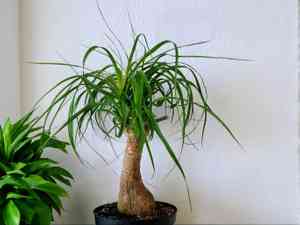
The propagation of Ponytail palm is achievable in the Spring or Summer months through the use of softwood cuttings. This particular technique may present a moderate challenge, yet indicators of successful propagation encompass the development of roots and fresh foliage. To enhance the likelihood of success, confirm that the cuttings originate from robust, established specimens and are maintained in a consistently damp state until rooting occurs.
Optimal Time for Ponytail Palm Propagation
Propagation Method
Cutting
Propagation Period
Spring, Summer
Tools Required for Ponytail Palm Propagation
Sharp Pruning Shears
Crucial for making precise cuts on ponytail palm's stem or leaves, sharp pruning shears minimize damage and disease risk. They cut cleanly through tough material without crushing plant tissues, ensuring a healthy start for the cutting.
Rooting Hormone Powder or Gel
Promotes root development from ponytail palm's cuttings by stimulating the growth of root cells. Applying rooting hormone enhances propagation success by fostering healthier and faster root establishment.
Sterile Potting Mix
Offers a pathogen-free environment for ponytail palm's cuttings to root, reducing the chance of fungal or bacterial infections that could hinder the propagation process.
Clear Plastic Bags or Covers
Create a humid, greenhouse-like atmosphere around ponytail palm's cuttings, vital for preventing excessive water loss from leaves and encouraging root growth under controlled conditions.
Plant Pots with Drainage Holes
Allow excess water to drain, preventing waterlogged conditions that could lead to root rot in ponytail palm's new plantings. Proper drainage is essential for successful new root establishment.
Misting Bottle
Used to lightly moisten the foliage of ponytail palm cuttings, maintaining necessary humidity levels without over-saturating the potting mix, which is key for proper root development.
Protective Gloves
Provide protection when handling ponytail palm, especially with larger, more mature plants that have a rough trunk. Gloves help prevent scratches and ensure safe handling during the cutting process.
How to Propagate Ponytail Palm
Propagation Method
Cutting
Difficulty Level
Easy
Caring for Your Newly Propagated Ponytail Palm
Caring for Your Newly Propagated Ponytail Palm
Post-propagation, care for the ponytail palm by maintaining a warm, stable environment, avoiding extreme temperatures. Water the soil when dry to the touch, typically every 2-3 weeks, varying with conditions. During the growing season, fertilize monthly with a diluted balanced fertilizer. Reduce watering and cease fertilizing during dormancy. As the plant matures, repotting every few years may be necessary to prevent overcrowding and refresh the soil.
Common Errors to Avoid When Propagating Ponytail Palm
Overwatering cuttings
Root rot can occur if ponytail palm cuttings are overwatered, as this species is susceptible to rot in moist conditions. Excessive moisture hinders root formation and can lead to fatal fungal diseases in young plants.
Using diseased or weak parent plants
Taking cuttings from a diseased or weak ponytail palm compromises the health of the offspring. Propagating from an unhealthy parent can transfer pests or diseases to the cuttings, resulting in stunted growth or propagation failure.
Cutting incorrect plant parts
Cutting the wrong parts of ponytail palm for propagation can lead to unsuccessful rooting. Propagation typically involves offset removal or seed collection, not leaf or stem cuttings, which are inefficient for this species.
Planting cuttings too deeply
Burying the base of ponytail palm's offsets too deep in the soil can cause rot, as the plant's base is sensitive and needs air exposure. Correct planting depth is crucial for encouraging strong root development.
Ignoring callousing
Failing to allow the cut caudex of ponytail palm to callous before planting can expose the wound to soil pathogens, leading to infections or rot. Callousing helps form a protective layer over the cut surface.
Tips For Propagating Ponytail Palm
Select healthy offsets
Choosing robust and healthy offsets from ponytail palm ensures a strong genetic foundation for propagation. This increases the likelihood of success and produces vigorous, disease-resistant offspring.
Sterile tools and environment
Using sterilized tools and a clean environment during ponytail palm propagation prevents the introduction of pathogens. Sterilization protects the plants from infections that can jeopardize propagation efforts.
Proper offset detachment
Gently twisting the offset from ponytail palm ensures a clean separation without harming the parent or offspring plants. This technique reduces stress and trauma, facilitating quicker recovery and root development.
Adequate rooting medium
Using a well-draining, gritty soil mix for ponytail palm mimics its natural habitat and reduces the chances of rot. Proper soil composition supports the development of a strong root system.
Allowing for callousing
Letting the cut end of ponytail palm's offsets dry and callous before planting helps reduce the chances of rot. This step forms a barrier that protects from potential infection while roots develop.



