How to Propagate Malabar spinach?
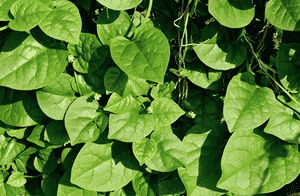
The most favorable period for propagating Malabar spinach is throughout the warmer seasons of spring and summer. While herbaceous cuttings are the preferred method for propagation, the procedure can present some difficulties. The emergence of fresh foliage signifies successful propagation, and it is crucial to ensure the growing medium remains damp during this phase. To achieve optimal outcomes, ensure sufficient sunlight and a substrate that drains effectively.
When Is the Optimal Time to Propagate Malabar Spinach?
Propagation Type
Utilize The Tubers
Propagation Season
Spring
What Implements Are Employed in Malabar Spinach Propagation?
Sharp Pruning Shears
These are crucial for obtaining malabar spinach cuttings with precise cuts, preventing disease entry. The smooth blades minimize harm to both the parent plant and the cuttings, boosting successful rooting prospects.
Rooting Hormone Powder
This aids in stimulating root growth on malabar spinach cuttings. Applying rooting hormone to the cutting's base can significantly enhance the rate of root development, leading to stronger plants better equipped to absorb water and nutrients.
Clear Plastic Bags
They are used to create a miniature greenhouse environment for malabar spinach cuttings. This maintains high humidity levels around the cuttings, which is vital for preventing the delicate cuttings from drying out before they can establish roots.
Quality Potting Mix
This offers a sterile and nutrient-rich medium for malabar spinach cuttings to establish roots. The mix should facilitate good drainage while retaining sufficient moisture to encourage root growth without becoming waterlogged, which can cause rot.
Plant Pots with Drainage Holes
These are important for potting malabar spinach once the cuttings have rooted. Adequate drainage is essential for preventing water accumulation and related issues, such as root rot.
Watering Can with a Fine Rose
This is used to gently water malabar spinach cuttings, providing moisture without disturbing developing roots or washing away soil. A gentle, controlled water flow helps maintain proper moisture levels during the critical rooting phase.
Labels and Markers
Monitoring the progress of each malabar spinach cutting is essential. Labels assist in recording details like propagation date and other observations, ensuring proper tracking of growth stages and contributing to more successful propagation outcomes.
How to Propagate Malabar Spinach?
Propagation Type
Utilize The Tubers
Difficulty Level
Easy
How to Nurture Your Newly Propagated Malabar Spinach?
How to Nurture Your Newly Propagated Malabar Spinach?
Post-propagation, malabar spinach needs ample sunlight and consistent moisture without being waterlogged. Support their climbing habit with trellises or stakes. Apply balanced fertilizer monthly during the growing season. Monitor for pests like aphids and spider mites, treating as needed. Prune regularly to encourage bushier growth and harvest leaves as required, allowing the plant to continue producing new foliage.
Common Errors to Avoid When Propagating Malabar Spinach
Overwatering
Excessive watering can lead to root rot in malabar spinach, especially after cuttings are planted. Saturated soils can suffocate new roots and impede proper growth.
Deep planting
Planting malabar spinach cuttings too deeply can hinder their ability to sprout new leaves and may cause rot at the base where moisture accumulates.
Ignoring light requirements
Failing to provide malabar spinach with moderate to full sunlight exposure can result in leggy plants and weak stems, as malabar spinach thrives with good light intensity.
Overcrowding
Planting malabar spinach cuttings too close together can restrict air circulation and light penetration, leading to poor growth and increased susceptibility to disease.
Advice For Propagating Malabar Spinach
Stem cutting selection
Choose healthy and robust stems from malabar spinach for cuttings. These should possess several leaf nodes to enhance the likelihood of successful rooting.
Soil preparation
Prepare a well-draining soil mix for malabar spinach cuttings to foster healthy root development and prevent waterlogging.
Use of rooting hormones
Applying rooting hormone to the cut end of malabar spinach cuttings can encourage faster root formation and a higher success rate in propagation.
Proper planting depth
Insert malabar spinach cuttings shallowly, with only a few lower nodes buried. This ensures better air access and reduces the risk of rot.



