How to Propagate Sea poison tree?
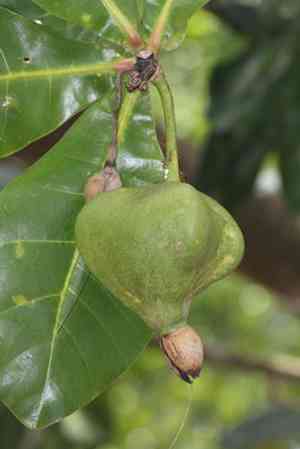
Barringtonia asiatica flourish when reproduced via cuttings. Select robust stems from established specimens, making sure to sever the cuttings directly beneath a node. These sections should be situated in sandy, well-draining substrate, keeping it damp but not waterlogged to avert decay. Rooting compound can stimulate root formation, though it isn't absolutely essential. After roots emerge, slowly introducing them to outdoor conditions is vital for proper development.
Optimal Period for Sea Poison Tree Propagation
Propagation Method
Cutting
Propagation Period
Autumn,Winter
Tools Required for Sea Poison Tree Propagation
Sharp Pruning Shears
These are crucial for obtaining clean stem sections from sea poison tree. The blades should be crafted from high-quality, rust-resistant steel to ensure precise cuts without harming plant tissues, which is essential for successful rooting.
Rooting Hormone
This chemical assists in stimulating root development from sea poison tree cuttings. Applying a rooting hormone to the freshly cut base enhances the likelihood of successful root formation by boosting the plant's natural rooting processes.
Sterile Potting Mix
A well-draining, sterile potting mix offers the perfect environment for sea poison tree cuttings to establish roots. Utilizing a sterile mix prevents the introduction of pathogens that could harm the cuttings before they can root.
Propagation Trays
These trays are utilized to hold sea poison tree cuttings in a stable and organized manner. Trays should possess adequate drainage and be shallow enough to accommodate initial root growth without overcrowding.
Clear Plastic Covers
Placing a clear plastic cover over propagation trays establishes a humid and controlled microenvironment. This benefits sea poison tree cuttings, as high humidity helps prevent them from drying out before rooting.
How to Propagate Sea Poison Tree?
Propagation Difficulty
Moderately Difficult
Post-Propagation Care for Your Sea Poison Tree
Post-Propagation Care for Your Sea Poison Tree
Following propagation, ensure the sea poison tree cutting receives indirect sunlight and consistently moist, but not waterlogged, soil. Gradually acclimatize the plant to less humid conditions by removing the plastic cover for extended periods daily. Once the cutting has established roots, typically visible through drainage holes, transfer it to a larger container with suitable potting mix, and water sparingly. As a plant that thrives in coastal environments, sea poison tree prefers a warm climate and can be fertilized with a balanced liquid fertilizer during growing seasons for optimal health.
Common Errors to Avoid When Propagating Sea Poison Tree
Overwatering
Propagating sea poison tree involves a plant accustomed to coastal areas, but excessive water can lead to root rot and fungal infections. This surplus water can disrupt the delicate balance needed for sea poison tree seeds or cuttings to establish.
Insufficient drainage
Given sea poison tree's natural habitat near shorelines, it might seem counterintuitive, but proper drainage is crucial. Poor drainage can result in waterlogged roots, inadequately mimicking tidal ebb and flow, and causing stress or root diseases.
Planting seeds too deep
Sea poison tree seeds require light for germination. Burying them too deeply in the soil can prevent them from receiving necessary light, leading to failed germination or weak seedlings.
Neglecting humidity requirements
Sea poison tree is adapted to a humid environment. Insufficient humidity during propagation can cause desiccation of cuttings or seedlings and impede their growth.
Overhandling sensitive roots
The roots of sea poison tree are particularly delicate during the initial stages of propagation. Rough handling can damage the roots, leading to poor establishment or plant demise.
Tips for Propagating Sea Poison Tree
Utilize well-draining soil
To mimic sea poison tree's coastal habitat, employing a well-draining sandy soil mix can help provide the correct balance of moisture retention and drainage, which is vital for healthy root development.
Moderate watering
Sea poison tree propagules can easily rot with overwatering. It is essential to water just enough to keep the soil moist, not waterlogged, to prevent root rot.
Strategic seed placement
Sea poison tree seeds should be placed on the soil surface or lightly covered with a thin layer of soil to allow for adequate light exposure, which is necessary for successful germination.
Maintain high humidity
Creating a humid environment by using a greenhouse or a plastic cover can help maintain moisture levels around sea poison tree cuttings or seedlings, promoting better establishment.
Gentle handling
During transplantation, handle sea poison tree roots with care to prevent damage. Minimizing root disturbance can lead to more successful propagation.



