How to Propagate Groundsel bush?
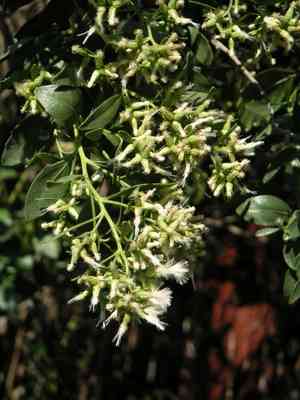
The most suitable period for propagating groundsel bush is throughout the autumn and winter months. It readily reproduces via techniques like cuttings and layering. Evidence of successful propagation includes fresh shoots and robust root formation. Optimal outcomes require adequate humidity and warmth.
Optimal Time for Groundsel Bush Propagation
Propagation Method
Cutting
Propagation Period
Autumn,Winter
Tools Required for Groundsel Bush Propagation
Pruning shears
Pruning shears are vital for taking cuttings from groundsel bush. They provide a clean, precise cut that minimizes harm to the parent plant and the cutting itself. Sharp, sanitized blades ensure a healthy start, reducing infection risk and encouraging faster root development.
Rooting hormone
Rooting hormone encourages root growth in groundsel bush cuttings. Dipping the cut end into the hormone stimulates root cell development, increasing successful propagation. This is especially important for woody plants like groundsel bush, which can be harder to root.
Planting pots
Using clean planting pots with a suitable growing medium ensures groundsel bush cuttings have a sterile, controlled environment for root development. Properly sized pots allow adequate growth space, preventing overcrowding and promoting a healthy root system.
Growing medium
A well-draining, nutrient-rich growing medium is crucial for successful groundsel bush propagation. It provides necessary support and conditions for new root establishment. A mix of peat, perlite, and vermiculite is often recommended for moisture retention while allowing excess water to drain, preventing root rot.
Misting bottle
Regular misting with a misting bottle maintains humidity levels around groundsel bush cuttings, crucial for preventing moisture loss through leaves during initial propagation stages. High humidity helps prevent desiccation and encourages root growth.
Plastic cover or humidity dome
A plastic cover or humidity dome can be placed over planting pots to create a high-humidity microclimate, beneficial for groundsel bush cuttings. This greenhouse-like environment keeps cuttings moist and warm, enhancing rooting success rates.
Heating mat
A heating mat gently warms the soil, which can be particularly beneficial for rooting groundsel bush cuttings. Consistent bottom heat improves root formation and accelerates growth, ensuring cuttings develop into healthy, viable plants.
Post-Propagation Care for Your Groundsel Bush
Post-Propagation Care for Your Groundsel Bush
Once the groundsel bush cutting has successfully rooted, evidenced by new growth, gradually acclimate the plant to less humid conditions by removing the cover for increasing durations. When the plant has adapted and shows robust growth, transplant it to a larger pot or a suitable garden location with full to partial sun and well-draining soil. Water regularly until well-established, then water as needed, considering groundsel bush is drought-tolerant. Prune as necessary to maintain desired shape and remove any dead or damaged branches.
Common Errors to Avoid When Propagating Groundsel Bush
Over-watering
After propagating groundsel bush cuttings, excessive watering can lead to root rot. Too much moisture suffocates the roots, preventing them from absorbing essential oxygen.
Deep planting
Inserting groundsel bush cuttings too deeply into the substrate can cause stems to rot before roots can develop, limiting propagation success.
Using dull cutting tools
Making cuttings with dull tools can damage groundsel bush tissue, impairing the plant's ability to heal and produce new roots effectively.
Advice for Propagating Groundsel Bush
Use clean, sharp tools
Groundsel bush cuttings should be taken with sterile, sharp tools to minimize damage and reduce infection risk.
Adequate light and humidity
After planting cuttings, providing groundsel bush with appropriate light and humidity levels encourages healthy root development without the excess water that leads to rot.
Proper cutting size
Selecting groundsel bush cuttings that are 4-6 inches long with several leaf nodes increases the chance of successful rooting by ensuring enough energy reserves and potential growth points.



