How to Propagate Burmese grape?
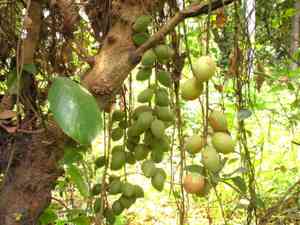
The Burmese grape is valued for its succulent, tangy-sweet produce, a tropical pleasure that cultivators can effectively multiply via the expert process of grafting. This intricate procedure enables the exact duplication of preferred attributes, guaranteeing that the subsequent progeny accurately mirror the parent's features. Although grafting may appear challenging, aspiring growers ought to commence by choosing sound scion material and rootstock from vigorous examples to ensure superior genetic lineage. Through perseverance and meticulousness, successful propagation is attainable, fostering the dissemination of the Burmese grape's enticing tastes.
When Is the Optimal Time to Propagate Burmese Grape?
Propagation Type
Grafting
Propagation Season
Spring,Winter
What Instruments Are Utilized in Burmese Grape Propagation?
Grafting Knife
A grafting knife is crucial for making precise incisions on the scion and rootstock of burmese grape. Clean and accurate cuts are vital for a successful graft union. Its sharp, narrow blade allows for smooth cuts that perfectly match the corresponding plant parts, essential for vascular tissue alignment and fusion.
Grafting Tape
Grafting tape is employed to firmly secure the scion to the rootstock of burmese grape after the grafting knife has been used. This specialized tape ensures the graft is held tightly, minimizing movement that could hinder successful union. It is also moisture-resistant, preventing the graft junction from drying out, which aids in graft establishment.
Pruning Shears
Pruning shears are used to prepare the rootstock of burmese grape prior to grafting. They provide a clean, precise cut to the rootstock, ensuring a smooth surface for the graft. The shears must be sharp and well-maintained to avoid crushing or fraying plant tissues, which can negatively impact graft success.
Rooting Hormone
While not always necessary in grafting, rooting hormone can promote faster healing and union of the grafted parts of burmese grape. This product is applied to the cut surfaces of both scion and rootstock to encourage quicker cell regeneration and successful establishment, leading to a more robust graft.
Disinfectant Solution
Before using any tools on burmese grape, it is essential to sterilize them with a disinfectant solution. This practice prevents the transmission of diseases and fungi to the cut surfaces, which could impede grafting success and the plant's overall health. Proper sanitation ensures a clean and safe environment for both the plant and the propagator.
How to Propagate Burmese Grape?
Propagation Type
Moderately Difficult
How to Care for Your Newly Propagated Burmese Grape?
How to Care for Your Newly Propagated Burmese Grape?
Following successful grafting and initial recovery, gradually introduce the burmese grape to its permanent growing location. Provide consistent irrigation, especially during dry periods, to support new growth. Shield from extreme temperatures and pests. As burmese grape matures, apply balanced fertilizer and prune regularly to encourage healthy branching and fruit production.
Common Errors to Avoid When Propagating Burmese Grape
Overwatering cuttings
Excessive moisture can lead to decay, particularly in the initial propagation stages where burmese grape's cuttings are vulnerable and their roots are not yet developed enough to absorb water efficiently.
Using non-sterile tools
Unsanitized tools can introduce pathogens, potentially resulting in infections and diseases, hindering the successful propagation of burmese grape.
Inadequate humidity
Cuttings of burmese grape require a specific humidity level to root successfully. Exposing them to an overly dry environment can cause them to lose moisture too quickly, making it difficult for the cuttings to survive.
Planting cuttings too deep
Inserting cuttings of burmese grape too far into the substrate can cause the buried portion to rot before roots have a chance to develop.
Ignoring pest management
Failing to protect young burmese grape plants from pests during propagation may lead to plant stress or death, as they are more susceptible to damage at this stage.
Tips For Propagating Burmese Grape
Use well-drained soil
A well-drained soil mix helps prevent root rot and supports healthier root development in burmese grape.
Maintain adequate humidity
Keeping the humidity around burmese grape cuttings at an optimal level ensures they retain moisture while new roots are forming.
Use rooting hormone
Applying a rooting hormone to the cut end of burmese grape's cuttings can stimulate root growth and increase the chances of successful propagation.
Proper cutting size
Cuttings of burmese grape should be neither too long nor too short. An optimal cutting length ensures enough surface area for nutrient intake and to support new growth.
Monitor for pests
Regularly inspect young burmese grape plants and treat them promptly if pests are detected to prevent infestations that could compromise growth and development.



