How to Propagate Bird's-nest fern?
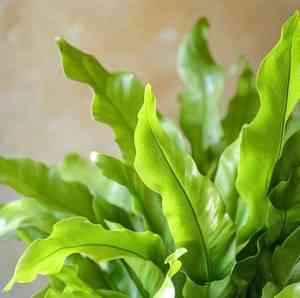
The bird's-nest fern primarily multiplies in the Spring and Autumn seasons via separation and spore generation. This propagation method is generally somewhat challenging, with successful outcomes evidenced by fresh development. Ensure elevated moisture levels for optimal results.
Optimal Time for Bird's-nest Fern Propagation
Method of Propagation
Separation
Propagation Period
Spring,Autumn
Tools Required for Bird's-nest Fern Propagation
Sanitized Cutting Implements
Sanitized cutting tools, such as sharp shears or a blade, are vital for making clean cuts through bird's-nest fern's roots during division, preventing unnecessary harm. Using sterile instruments helps avert disease introduction to cut surfaces, which is crucial for the new plants' well-being.
Watering Can with a Gentle Spray Nozzle
Following division and repotting, bird's-nest fern needs delicate watering to aid root establishment. A watering can with a soft spray attachment ensures even water distribution without disturbing the soil or harming bird's-nest fern's fronds. This tool assists in providing the correct moisture level, essential for successful root development.
Appropriate Potting Medium
Bird's-nest fern flourishes in well-draining soil rich in organic matter, so a potting mix specifically formulated for epiphytes or ferns is advantageous. The mix should retain some moisture yet allow excess water to drain quickly to prevent root rot, a critical aspect of bird's-nest fern's health after propagation.
Plant Containers with Drainage Openings
Plant containers with drainage holes are necessary to facilitate proper water runoff and prevent waterlogging, a condition that can be fatal to bird's-nest fern. Select pots that comfortably accommodate the divided sections of bird's-nest fern's root system, ensuring sufficient space for new growth.
Labels and a Permanent Marker
To keep track of the propagated sections of bird's-nest fern, labels and a permanent marker are useful. Note the propagation date and any other pertinent information to efficiently monitor growth and care requirements.
Rubbing Alcohol or Disinfectant
Rubbing alcohol or a suitable plant-safe disinfectant is used for sterilizing cutting tools before and after the propagation process. This helps prevent the transfer of pathogens to bird's-nest fern and ensures overall plant health.
Post-Propagation Care for Your Bird's-nest Fern
Post-Propagation Care for Your Bird's-nest Fern
After propagation, keep bird's-nest fern's soil consistently moist but not waterlogged. Provide bright, indirect light and avoid direct sun exposure. Maintain high humidity, either by placing a humidifier nearby, grouping plants, or using a pebble tray with water. Fertilize bird's-nest fern with a balanced, diluted liquid fertilizer during the growing season, but sparingly. As bird's-nest fern grows, repot it every couple of years to refresh the soil and accommodate the expanding rhizome.
Common Errors to Avoid When Propagating Bird's-nest Fern
Using poorly draining soil
Soil that holds too much moisture can lead to root rot for bird's-nest fern, which prefers well-drained conditions. Excessively wet soil deprives roots of oxygen, causing them to decay and potentially kill the plant.
Excessive watering
Given bird's-nest fern's natural habitat, it is adapted to periods of rain followed by drying out. Over-watering can suffocate the roots and promote fungal diseases, hindering the plant's overall health and growth.
Carelessness during plant division
When propagating bird's-nest fern by division, a common error is to be rough with the plant, damaging the roots and central crown. This can lead to propagation failure as the plant may not recover from such trauma.
Insufficient humidity
Bird's-nest fern thrives in humid environments, and a lack of ambient humidity can cause fronds to brown and become crispy, reducing the plant's vitality and making propagation more difficult.
Advice for Propagating Bird's-nest Fern
Gentle separation
Carefully dividing the root ball without harming the rhizome and ensuring each new plant section has ample roots attached is crucial for successful propagation.
Use of sphagnum moss
Utilizing sphagnum moss when propagating bird's-nest fern can help maintain adequate moisture without water-logging the plant, providing an ideal rooting environment.
Sufficient illumination
While bird's-nest fern doesn't require direct sunlight, providing ample indirect light will support vigorous growth and improve the chances of successful propagation.
Maintaining high humidity
Using a humidifier or placing the plant in a naturally humid space like a bathroom ensures the high humidity needed for bird's-nest fern to thrive and propagate.



