How to Propagate Pawpaw?
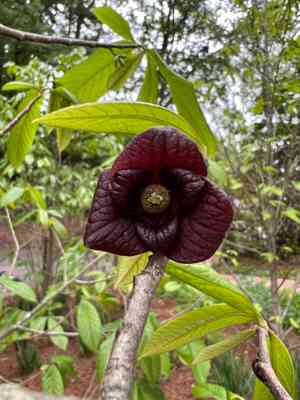
Pawpaw is generally reproduced in the spring and winter seasons through methods such as grafting and layering. Its propagation can present a moderate challenge, with indicators of success including fresh development and vibrant leaves. Careful adherence to correct procedures is essential to achieve favorable outcomes.
Optimal Period for Pawpaw Propagation
Propagation Method
Grafting
Propagation Period
Spring,Winter
Tools Utilized in Pawpaw Propagation
Grafting knife
This specialized blade is crucial for making clean, precise incisions on the scion and rootstock of pawpaw. Its sharp, thin edge allows accurate cutting without damaging plant tissues, enhancing the likelihood of a successful graft union.
Grafting tape
Grafting tape is employed to secure the scion and rootstock of pawpaw firmly together. This flexible material expands with the growing graft and aids in maintaining the necessary humidity and protection for the wound until the graft has healed.
Rooting hormone
Applying rooting hormone to the cut surfaces of pawpaw can stimulate faster root development in grafts that involve rootstock propagation. This helps ensure a stronger, more viable grafted plant.
Pruning shears
Pruning shears are used to trim plant material before and after grafting pawpaw. A clean cut is essential for grafting success, and sterilized shears prevent the spread of diseases.
Wound dressing
Following grafting, a wound dressing or sealant can be applied to the cut areas to prevent pathogen entry. This promotes healthy healing of pawpaw grafts.
Budding strips
When utilizing bud grafting techniques on pawpaw, budding strips are useful for tightly securing the bud to the rootstock. This ensures good contact between the cambium layers, which is vital for the integration of the graft.
Disinfectant
Keeping all tools clean with disinfectant helps prevent the introduction of bacteria or fungi that could harm pawpaw during the sensitive grafting process, safeguarding the plant's health.
Heating mat
A heating mat can be used to maintain a consistent temperature at the base of the pawpaw grafts, which is important for promoting successful graft take and encouraging growth in certain environments.
How to Nurture Your Newly Propagated Pawpaw?
How to Nurture Your Newly Propagated Pawpaw?
After grafting, keep the pawpaw plant in a protected location to shield the graft union from harsh weather and facilitate healing. Maintain consistent soil moisture without waterlogging. Once the graft has taken and new growth is visible, gradually expose the plant to more typical outdoor conditions. Continue to provide care by managing pests, diseases, and nutrition specific to pawpaw, ensuring it has a well-draining growing medium and is planted in a spot with adequate sunlight and protection from strong winds.
Common Errors to Avoid When Propagating Pawpaw
Overwatering
Excessive water can lead to root rot in pawpaw, especially in the young stage, impeding seedling establishment and growth.
Planting seeds too deep
Seeds from pawpaw are delicate; burying them too deep can hinder germination as they may not be able to penetrate the soil to reach the light.
Neglecting pre-treatment of seeds
Pawpaw seeds possess a natural dormancy that requires stratification to break. Skipping this step will result in poor to no germination rates.
Ignoring genetic diversity
Propagating pawpaw from a single source may reduce genetic diversity, which can impact the overall health and fruit yield of the plants.
Harvesting seeds too early
Seeds of pawpaw need to fully mature before being harvested; premature seeds are less viable and may not germinate successfully.
Advice for Propagating Pawpaw
Appropriate moisture levels
Maintaining consistently moist, but not waterlogged, soil helps pawpaw seeds to sprout effectively and supports healthy root development in cuttings.
Stratifying seeds
Cold stratifying pawpaw seeds for 60-100 days before sowing enhances germination rates by mimicking natural winter conditions.
Shallow planting
Sowing seeds at a shallow depth ensures they receive adequate light to trigger germination while maintaining soil contact.
Cross-pollination
Encouraging cross-pollination between different genetic lines of pawpaw increases the chances of successful fruit set and promotes genetic diversity.
Patience during germination
Understand that pawpaw have a slow germination process; exercising patience and not discarding seeds too early is important.



