How to Propagate Butterfly weed?
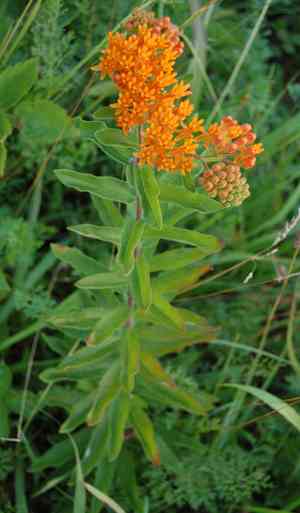
Asclepias tuberosa is most effectively multiplied in the spring season via seeding. Its propagation presents a moderate challenge. The appearance of young sprouts indicates successful propagation. For peak outcomes, guarantee a growing medium that drains efficiently and maintains steady hydration.
Optimal Time for Butterfly Weed Propagation
Propagation Method
Seeding
Propagation Period
Spring
Tools for Butterfly Weed Propagation
Seed trays with drainage holes
These containers offer a structured setting for planting seeds. Drainage holes are vital to prevent excessive moisture, which can cause butterfly weed seeds to decay. By maintaining appropriate moisture, these trays help ensure good seed sprouting.
Sterile potting mix
A pathogen-free, soilless growing medium is crucial for butterfly weed seedlings to avoid illness. The mix also ensures proper air circulation and drainage, providing an ideal rooting environment for delicate young plants.
Heating mat
This device gently warms the soil, encouraging quicker germination of butterfly weed seeds by maintaining a steady temperature, a key factor for seeds needing warmth to end dormancy.
Watering can with fine rose
Used to lightly irrigate butterfly weed seeds and seedlings without dislodging or burying them deeper in the soil. A fine rose attachment helps simulate gentle rainfall.
Plastic dome or clear cover
Creates a miniature greenhouse effect, retaining moisture and warmth around butterfly weed seeds. This humid environment promotes rapid germination and prevents the soil surface from drying out too quickly.
Tweezers or dibber
Tweezers assist in precisely handling tiny butterfly weed seeds during sowing, minimizing damage. A dibber can be used to create uniform holes in the potting mix for planting seeds at the correct depth.
How to Propagate Butterfly Weed?
Propagation Type
Sowing
Difficulty Level
Easy
Caring for Newly Propagated Butterfly Weed
Caring for Newly Propagated Butterfly Weed
After transplanting, gradually introduce butterfly weed seedlings to outdoor conditions over a week before placing them in their permanent spot. Select a sunny location with well-drained soil. Water regularly, but avoid overwatering as butterfly weed is drought-tolerant and dislikes soggy roots. Mulch can be used to suppress weeds and retain soil moisture. Once established, butterfly weed requires minimal care apart from occasional watering during extended dry spells and removing dead stems at the end of the growing season. Butterfly weed is a perennial and will return each spring, often with increased vigor and blooms.
Common Errors to Avoid When Propagating Butterfly Weed
Overwatering during propagation
Gardeners may mistakenly overwater butterfly weed seeds or cuttings, leading to rot. Excessive watering can suffocate roots, hindering proper oxygen exchange and promoting fungal infections, which impede growth and may kill the plant.
Planting seeds too deep
Butterfly weed seeds need light to germinate. Planting them too deeply can prevent them from receiving the necessary light, thus impacting their ability to sprout successfully.
Disturbing taproots during transplant
Butterfly weed possesses a deep taproot system that can be easily harmed during relocation. If the taproot is broken or severely disturbed, it can stress the plant, stunting its growth or causing death.
Ignoring soil drainage
Butterfly weed thrives in well-drained soil. Disregarding this need and planting in soil that retains too much moisture can hinder root growth and function, leading to root rot and poor plant health.
Overlooking pest control
Aphids and other pests are sometimes drawn to butterfly weed. Neglecting pest management can lead to infestations that weaken the plant and impede successful propagation.
Tips For Propagating Butterfly Weed
Scarification of seeds
Using a file or sandpaper to gently abrade the surface of butterfly weed seeds can aid in water absorption and improve germination rates, as the seed coating is quite hard.
Cold stratification
Butterfly weed seeds require a period of cold stratification to break dormancy. Simulating winter conditions by refrigerating the seeds for several weeks can promote germination once planted.
Providing sufficient lighting
Ensuring that butterfly weed seeds are sown on the soil's surface or lightly covered with soil ensures they receive the necessary light for germination. Use grow lights if starting seeds indoors to mimic natural sunlight.
Gentle handling of seedlings
When transplanting butterfly weed seedlings, handle them with care, especially the root area, to prevent damage to the delicate roots, which can cause shock or death.
Monitoring soil consistency
For butterfly weed cuttings, using a well-draining growing medium such as a mix of perlite and peat can provide the necessary drainage and aeration for root development.



