How to Propagate Common milkweed?
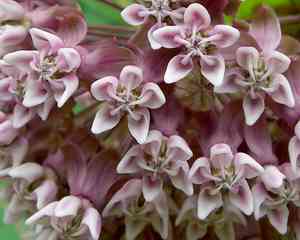
Asclepias syriaca is most effectively multiplied by separating its root system in either the spring or fall. This technique is quite straightforward, and indicators of success include fresh shoots and the development of a robust root network. When performing divisions, make sure to retain vigorous root clumps.
When Is the Optimal Time to Propagate Common Milkweed?
Propagation Method
Separation
Propagation Period
Spring, Autumn
What Equipment Is Used in Common Milkweed Propagation?
Sharp Garden Spade or Knife
This tool is essential for dividing the root structure of common milkweed. Its sharp edge allows for clean cuts through roots, minimizing harm and stress to the plant. A precise cut also promotes quicker recovery and growth.
Gardening Gloves
Handling common milkweed can be harsh on the skin due to its sap, which may cause irritation. Gloves protect hands while working with the plant and separating its roots.
Potting Soil
After division, common milkweed requires a nutrient-rich medium to establish its roots. Potting soil is designed to provide the necessary nutrients and proper drainage to support the health and development of common milkweed.
Containers or Pots
When propagating common milkweed via division, each new plant section needs a pot to root in. Containers should have drainage holes to prevent waterlogging, which is vital for the survival of common milkweed.
Watering Can with a Gentle Spray
Post-division, common milkweed needs careful watering to help settle the soil and remove air pockets around the roots. A watering can with a gentle spray is ideal to ensure the plant is not disturbed during this delicate phase.
How to Propagate Common Milkweed?
Propagation Method
Division
Difficulty Level
Easy
How to Care for Your Newly Propagated Common Milkweed?
How to Care for Your Newly Propagated Common Milkweed?
After propagation, common milkweed will need regular watering, especially during extended dry periods, to develop a strong root system. Additionally, occasional checks for pests and diseases are advised. Over time, common milkweed will self-seed and require minimal upkeep. It is also wise to limit the use of insecticides around common milkweed, as it serves as a crucial habitat and food source for monarch butterflies.
Common Mistakes to Avoid When Propagating Common Milkweed
Overwatering
Excessive watering can lead to root rot, which is harmful to the health of common milkweed. Saturated soil deprives the root system of oxygen, causing the roots to decay.
Deep planting
Planting common milkweed seeds or cuttings too deeply can hinder successful germination or rooting, as it might prevent them from reaching the soil surface and accessing sufficient light.
Ignoring pests
Common milkweed can be vulnerable to pests like aphids. Failing to manage these pests early can result in infestations that severely damage or kill young plants.
Over-fertilizing
Too much fertilizer can harm common milkweed's root development and discourage its natural resilience, potentially leading to poor growth or plant burn.
Neglecting stratification
Common milkweed seeds require a period of cold stratification to break dormancy. Skipping this step can lead to poor or no germination.
Tips For Propagating Common Milkweed
Soil preparation
A well-draining soil mix improves root health for common milkweed. Ensuring the soil is loose and fertile supports optimal growth and reduces the risk of waterlogging.
Adequate depth
Common milkweed seeds should be planted at a shallow depth, just lightly covered with soil, which increases light exposure, crucial for germination.
Pest monitoring
Regularly inspect common milkweed for signs of pests and address them promptly to minimize damage to the plant and ensure successful propagation.
Minimal fertilization
Common milkweed benefits from a light application of fertilizer. Over-fertilization can be detrimental; it's best to fertilize sparingly and according to the plant's specific needs.
Cold stratification
Mimic common milkweed's natural germination cues by subjecting the seeds to cold stratification, a period of cold and moist conditions, before sowing to improve germination rates.



