How to Propagate Bloodflower?
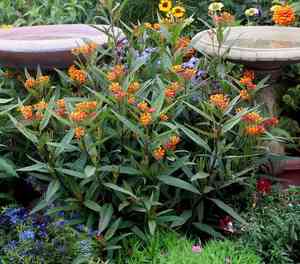
The most effective way to propagate Bloodflower is by taking cuttings, preferably in the spring and summer seasons. This plant presents a moderate challenge for propagation, and the emergence of new foliage indicates success. Optimal outcomes are achieved by maintaining appropriate humidity and warmth.
Optimal Time for Bloodflower Propagation
Propagation Method
Cutting
Propagation Period
Spring, Summer
Tools for Bloodflower Propagation
Sharp Pruning Shears
Pruning shears are vital for making clean cuts from the parent bloodflower without causing unnecessary harm to the plant. Sharp blades reduce disease risk and promote quicker healing of the cut area.
Rooting Hormone
Applying rooting hormone to the cut end of bloodflower cuttings accelerates root formation and boosts the likelihood of successful propagation. This substance typically contains auxins that stimulate root cell development.
Sterile Potting Mix
A sterile potting mix offers a clean and regulated environment for bloodflower cuttings to root. It lowers the chance of soil-borne pathogens that could harm the cutting before it establishes roots.
Planting Pots with Drainage Holes
Pots with proper drainage prevent waterlogging, which is essential for the health of bloodflower during the initial stages of root development. Excess moisture can lead to rot, which is detrimental to cuttings.
Plastic Bags or Covers
Creating a moist environment around bloodflower cuttings is necessary to prevent moisture loss while they lack roots. Clear plastic bags or covers can act as mini-greenhouses, retaining moisture and warmth to encourage rooting.
Heat Mat (Optional)
Some propagators utilize heat mats to maintain a consistent soil temperature, which can be beneficial for bloodflower root development. A controlled warm environment can encourage faster root growth.
Propagating Bloodflower
Propagation Method
Cutting
Difficulty Level
Easy
Caring for Newly Propagated Bloodflower
Caring for Newly Propagated Bloodflower
After propagation, bloodflower needs full sun to partial shade and well-draining soil. Consistent watering is crucial, especially during dry periods, but avoid overwatering to prevent root rot. Fertilize with a balanced, all-purpose fertilizer during the growing season. As bloodflower is a perennial, removing spent blooms will encourage more flowering and maintain plant appearance. Also, be aware of pests like aphids and milkweed bugs that can be attracted to bloodflower.
Common Errors to Avoid When Propagating Bloodflower
Overwatering
Excessive watering can cause root rot in bloodflower, as their roots require well-drained soil to stay healthy. Overwatering can suffocate the roots and encourage fungal growth.
Planting depth
Planting bloodflower's cuttings or seeds too deep can prevent them from getting enough light and air, hindering their growth and potentially causing decay.
Ignoring pests
Bloodflower can attract pests such as aphids and milkweed bugs. Failing to monitor and manage these pests can result in weakened plants and reduced propagation success.
Overcrowding
Placing bloodflower cuttings or seeds too close together can limit access to nutrients and sunlight, and promote disease spread due to poor air circulation.
Cutting size
Using cuttings that are too short or lack nodes for bloodflower can decrease the chances of successful root development and subsequent growth.
Advice for Propagating Bloodflower
Rooting medium
Use a well-draining soil mix or a perlite-vermiculite blend to provide bloodflower cuttings with the ideal environment for root growth without water retention that could cause rot.
Cutting selection
Choose healthy, non-flowering stems with several nodes for bloodflower cuttings, as nodes are where roots and shoots will emerge.
Pest control
Regularly inspect bloodflower for pests and take appropriate actions, such as using insecticidal soaps or neem oil to manage infestations without harming the plant.
Spacing
Ensure that bloodflower seeds or cuttings are adequately spaced to allow for ample light penetration and air circulation, which can reduce disease pressure and competition for resources.
Humidity and warmth
Maintain a humid and warm environment for bloodflower's cuttings without overwatering by covering with a plastic dome or bag, which promotes rooting and prevents dehydration.



