How to Propagate Giant reed?
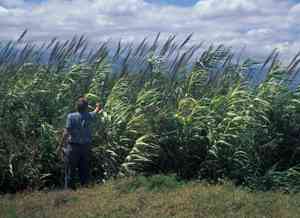
Arundo donax is most effectively multiplied by dividing its clumps in either the spring or fall. This process can present a moderate challenge, thus perseverance is recommended. Indicators of successful multiplication are the emergence of fresh sprouts and robust root systems. Provide ample room for root development to ensure peak growth.
Optimal Time for Giant Reed Propagation
Propagation Method
Division
Propagation Period
Spring, Autumn
Tools for Giant Reed Propagation
Sharp Spade or Shovel
A sharp spade or shovel is essential for extracting giant reed from its growing site without harming the rhizomes. Giant reed spreads mainly via its rhizome system, and a clean cut through the soil minimizes plant disturbance, leading to higher success rates for new plants from divisions.
Pruning Shears
Pruning shears are used to trim excess foliage from giant reed before division, reducing water loss and directing the plant's energy towards root and shoot development after transplant. This also helps in handling and managing divisions during transplantation.
Garden Fork
A garden fork is used to gently lift and separate giant reed's rhizomes, minimizing damage to the root structure. Its tines allow for greater precision and less soil disruption than a shovel when teasing apart intertwined rhizomes.
Rooting Hormone
Applying rooting hormone to the cut ends of giant reed rhizomes can stimulate root growth, ensuring quicker establishment and better viability of new plants. This is particularly beneficial for giant reed, which relies on a strong root system for growth.
Watering Can or Hose with a Gentle Spray Attachment
Even moisture distribution is crucial for giant reed's survival during the critical stage of root establishment. A watering can or hose with a gentle spray attachment provides a soft shower that won't disturb newly planted rhizomes but will provide adequate water to encourage growth.
Mulch
Mulch helps maintain soil moisture levels, suppresses weed growth that would compete with giant reed for resources, and provides some temperature regulation for newly divided rhizomes. A properly mulched growing site will contribute to the overall health and quicker establishment of the plant.
How to Propagate Giant Reed?
Propagation Method
Division
Difficulty Level
Easy
Caring for Your Newly Propagated Giant Reed
Caring for Your Newly Propagated Giant Reed
Giant reed needs full sunlight for optimal growth and should be planted in a location with direct exposure. It thrives in rich, moist soils but can tolerate a wide range of soil conditions, including poor soils and drought once established. Regular watering after propagation is essential until the plants are well-established, but avoid overwatering. Mulching can help retain moisture and reduce weeds. Monitor for pests and diseases and apply suitable control methods if necessary. Pruning may be done to manage the plant's size and shape or to remove any dead or damaged canes. Due to its rapid growth and potential invasiveness, carefully consider the planting location and manage giant reed to prevent uncontrolled spreading.
Common Mistakes to Avoid When Propagating Giant Reed
Improper cutting selection
Choosing weak or diseased stems for cuttings can lead to poor or failed propagation. Healthy, vigorous stems are necessary for successful root development.
Overwatering cuttings
Excessive moisture can lead to rot in giant reed's cuttings. While humidity is essential, balance is key to prevent fungal growth and decay.
Ignoring pre-treatment of cuttings
Failing to use rooting hormones or neglecting other pre-treatment techniques can result in slow or no root formation. This reduces the overall efficiency of the propagation process.
Planting depths
Planting giant reed's cuttings too deep or shallow may inhibit root establishment and growth. Correct depth ensures the cutting has adequate support and access to necessary resources.
Tips For Propagating Giant Reed
Healthy stem selection
Select robust, disease-free sections of giant reed for cuttings to ensure a strong start for the new plants. This improves the chances of successful rooting and growth.
Moisture management
Maintain a balanced level of moisture for giant reed's cuttings. Provide enough water to keep the soil damp but not soggy to avoid rot and encourage healthy root development.
Use of growth enhancers
Applying rooting hormones or natural enhancers like honey to giant reed's cuttings can stimulate root growth and improve propagation outcomes.
Optimal planting depths
Plant giant reed's cuttings at the correct depth to encourage root and shoot development. This supports the structural stability of the new plant and promotes a healthy growth environment.



