How to Propagate Big sagebrush?
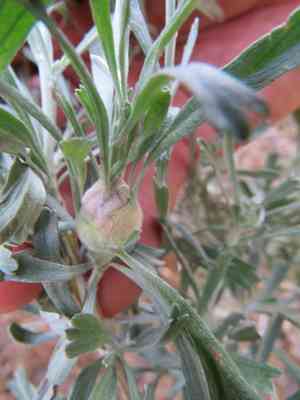
For Artemisia tridentata, reproduction primarily takes place in spring and summer via stem sections. This process is deemed moderately challenging, with successful establishment indicated by robust root formation. Guarantee adequate hydration and warmth for the best outcomes.
Optimal Period for Big Sagebrush Propagation
Propagation Type
Cutting
Propagation Season
Spring, Summer
Tools for Big Sagebrush Propagation
Sharp Pruning Shears
Crucial for taking cuttings, sharp pruning shears ensure a clean cut, minimizing harm to the parent big sagebrush and the cutting. This aids the cutting's health by lowering infection risk and promoting quicker healing and root growth.
Rooting Hormone
Boosts the probability of successful root formation when applied to the cut end of big sagebrush cuttings. This product stimulates root development at the application site, vital for establishing new big sagebrush plants.
Sterile Potting Mix
Offers a clean, disease-free environment for big sagebrush cuttings to root. A well-draining and aerated mix fosters healthy root growth without waterlogging, crucial for the delicate rooting phase of big sagebrush.
Propagation Trays
These trays securely hold big sagebrush cuttings during rooting. Trays with individual cells prevent disease spread among cuttings and facilitate easier transplanting once roots have formed.
Plastic Dome or Humidity Cover
Maintains high humidity around big sagebrush cuttings, essential to prevent drying out while roots develop. This tool simulates a greenhouse, beneficial for delicate cuttings without established root systems to absorb water.
Heating Mat
Optional yet advantageous, a heating mat accelerates root growth by providing bottom warmth, encouraging root formation in big sagebrush cuttings. This is especially useful in colder climates or seasons when ambient temperatures are not ideal for root development.
How to Propagate Big Sagebrush?
Propagation Type
Cutting
Difficulty Level
Moderately Difficult
Caring for Newly Propagated Big Sagebrush
Caring for Newly Propagated Big Sagebrush
Post-propagation, gradually introduce big sagebrush to its new surroundings. Water young plants regularly until established, but allow soil to dry between waterings as big sagebrush tolerates drought. Provide full sun and avoid heavy fertilization, as big sagebrush thrives in low-nutrient soils. Mulching can help suppress weeds. Monitor for pests and diseases, though big sagebrush typically has few issues. Once established, big sagebrush requires minimal care and can endure poor soil and harsh conditions.
Common Errors to Avoid When Propagating Big Sagebrush
Overwatering
Excessive watering during big sagebrush propagation can lead to root rot and fungal issues, as this species thrives in the drier conditions of its natural habitat. Overwatering can suffocate roots, hindering successful propagation.
Poor soil drainage
Using soil with inadequate drainage can retain moisture around big sagebrush cuttings or seeds, which is detrimental to their growth requirements and may cause rot or fungal diseases.
Excessive fertilization
Applying too much fertilizer can harm the relatively delicate root system of big sagebrush, leading to nutrient burn or imbalanced growth. Big sagebrush is adapted to low-nutrient environments and does not require heavy fertilization.
Overcrowding
Planting big sagebrush cuttings or seeds too closely together can result in competition for light and nutrients, impeding overall growth and reducing propagation success.
Ignoring root size
Planting big sagebrush cuttings with underdeveloped roots can lead to poor establishment and survival, as the roots may not be strong enough to support the plant.
Tips For Propagating Big Sagebrush
Well-draining soil
Utilize a well-draining soil mix to mimic big sagebrush's natural growing conditions, which will foster healthy root development and lessen the risk of waterlogging.
Cutting selection
Select healthy, semi-hardwood cuttings from non-flowering branches of big sagebrush, as they are more likely to root successfully compared to softwood or flowering cuttings.
Appropriate watering
Water big sagebrush cuttings and seeds lightly but consistently to maintain slightly moist soil, which will encourage root growth without causing root rot.
Rooting hormone
Employing a rooting hormone can enhance the chances of successful propagation by stimulating root growth in big sagebrush cuttings.
Spacing
Provide each big sagebrush cutting or seed adequate room to grow by maintaining sufficient distances between them, ensuring access to sunlight and reducing nutrient competition.



