How to Propagate White mugwort?
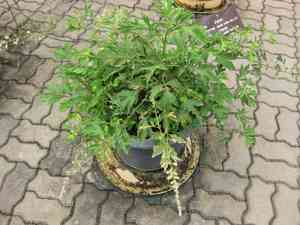
White mugwort flourishes when reproduced by planting its seeds. To achieve the best outcome, utilize a growing medium that drains effectively and sustain steady dampness without oversaturation. Seed planting ought to occur in a regulated setting, like beneath a cold frame or inside, to safeguard the seeds during their early developmental stage. Verify that the nascent plants are sufficiently separated to permit generous air circulation and sunlight, both vital for their maturation.
Optimal Period for White Mugwort Propagation
Propagation Method
Seeding
Propagation Period
Spring
Tools for White Mugwort Propagation
Seed trays
Seed trays enable organized planting and efficient space utilization during the initial germination phase of white mugwort. They facilitate even seed distribution and provide sufficient room for each seedling to grow without crowding, improving air circulation and reducing fungal disease risk.
Fine-grade vermiculite
Vermiculite serves as a top layer in seed trays or pots to maintain proper moisture levels around white mugwort seeds. Its high water retention ensures consistent dampness, crucial for white mugwort germination. Vermiculite also provides a light, aerated environment, aiding root growth and development.
Watering can with a fine rose
A watering can with a fine rose attachment is essential for gently irrigating white mugwort seeds without dislodging them. The fine spray evenly distributes water, ensuring delicate seeds and emerging seedlings are not damaged by water force, promoting uniform growth.
Plastic or glass cover
Using a plastic or glass cover over seed trays helps maintain high humidity and stable temperatures, creating a micro-environment ideal for white mugwort germination. This tool is especially useful for preventing soil from drying out too quickly and protecting seedlings from external elements.
Labeling sticks and a permanent marker
Labeling each white mugwort tray or pot with sticks and a permanent marker ensures identification and prevents confusion, especially when propagating multiple species simultaneously. It assists in monitoring and caring specifically for white mugwort according to its unique growth needs and schedule.
How to Propagate White Mugwort?
Propagation Type
Simple
How to Care for Your Newly Propagated White Mugwort?
How to Care for Your Newly Propagated White Mugwort?
After propagating white mugwort, plant care involves ensuring seedlings receive sufficient sunlight, typically full sun to partial shade. Soil should be well-draining and fertile. Regular watering should be maintained, allowing the top inch of soil to dry between waterings. Monitor for pests and diseases, especially in humid conditions. White mugwort may also benefit from periodic feeding with a balanced fertilizer during the growing season.
Common Mistakes to Avoid When Propagating White Mugwort
Overwatering
Excessive watering can lead to root rot in white mugwort, particularly when drainage is insufficient. This condition is harmful as it can severely impact the plant's health and decrease the likelihood of successful propagation.
Ignoring Soil Composition
Using unsuitable or poor-quality soil can impede the root development of white mugwort. Soil lacking adequate nutrients or structure for root growth may slow down or inhibit the propagation process.
Neglecting to Trim
Failing to trim or prune white mugwort appropriately during propagation can result in excessive energy being directed towards maintaining existing foliage rather than developing new roots or shoots.
Tips For Propagating White Mugwort
Use Healthy Cuttings
Select robust and disease-free white mugwort cuttings for propagation. Ensuring the cuttings are strong and free from any signs of stress or illness will increase the chances of successful root development and plant growth.
Proper Rooting Environment
Provide a warm, humid environment for root development. This aids in rapid root growth and helps establish a strong foundation for the new plant.
Adequate Light Exposure
Ensure that white mugwort receives sufficient but indirect light during the rooting phase. Direct sunlight can be too harsh, potentially damaging tender new growth or dehydrating the plant.



