How to Propagate Tarragon?
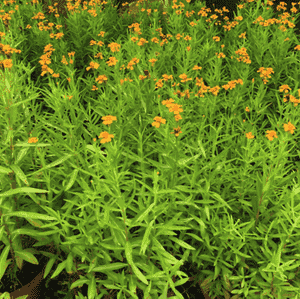
The optimal time for propagating tarragon is in the spring, utilizing seed-sowing techniques. This particular plant exhibits a moderate level of ease in its propagation. Signs of successful propagation encompass robust, developing sprouts. When planting seeds, guarantee steady hydration and prevent excessive density.
Optimal Period for Tarragon Propagation
Propagation Method
Seeding
Propagation Period
Spring
Tools Required for Tarragon Propagation
Seed trays with drainage holes
These containers offer an appropriate setting for planting seeds. The drainage openings prevent water accumulation, which is vital for healthy root growth in tarragon.
Sterilized seed-starting potting mix
Crucial for planting seeds, a sanitized mixture reduces the risk of soil-borne illnesses, ensuring a robust beginning for tarragon seedlings.
Fine mist spray bottle
Used to gently moisten seeds and keep the potting medium damp without dislodging seeds or causing soil erosion, promoting uniform germination in tarragon.
Plastic or glass covering
A clear cover aids in maintaining humidity levels and warmth around the seeds, creating an ideal microclimate for tarragon seed sprouting.
Plant labels and a waterproof marker
Utilized for marking seed trays with the date and plant type, an important step for tracking the development and varieties of tarragon when propagating multiple plants.
Tweezers
These aid in the precise placement of small seeds, ensuring that each tarragon seed is adequately spaced to lessen the chance of overcrowding and competition.
Steps to Propagate Tarragon
Propagation Method
Seeding
Difficulty Level
Simple
Caring for Your Newly Propagated Tarragon
Caring for Your Newly Propagated Tarragon
Tarragon thrives in full sun to partial shade and needs well-draining soil. After propagation, gradually acclimate the rooted cuttings to outdoor conditions over one to two weeks before transplanting them to their permanent spot. Maintain consistent moisture without overwatering and provide a balanced, slow-release fertilizer to support vigorous growth. Shield young plants from extreme temperatures and pests. Once established, tarragon typically requires minimal upkeep, flourishing with benign neglect.
Common Errors to Avoid When Propagating Tarragon
Overwatering
Saturated soil can lead to root rot in tarragon, as it prefers well-drained conditions. Excessive moisture reduces oxygen availability to the roots, resulting in poor plant health and decreased propagation success.
Poor cutting selection
Choosing weak or diseased stems for cuttings can hinder the chances of successful rooting and growth. Healthy, robust stems are essential for the propagation of tarragon.
Planting too deep
Planting tarragon cuttings too deeply can cause stem rot. Cuttings should be planted shallowly so that they can easily establish roots without the risk of decaying in the soil.
Ignoring soil quality
Using soil lacking in nutrients or proper aeration can impede the root formation of tarragon. The correct soil mix is critical for the development of new plants from cuttings or division.
Overcrowding
Planting multiple tarragon cuttings too close together can limit access to light and air circulation, leading to competition for resources and potential fungal issues.
Advice for Propagating Tarragon
Correct cutting technique
Use a sharp, sterilized tool to take tarragon cuttings to prevent infection and ensure a clean cut, which improves the chances of rooting and overall growth.
Adequate humidity
Tarragon cuttings require a humid environment to prevent drying out and encourage root growth. Covering cuttings with a plastic bag can maintain an appropriate humidity level.
Proper soil mixture
Preparing a light, well-draining, and fertile soil mix can help support the rooting of tarragon. A mix of peat, perlite, and sand is often ideal for cuttings or division.
Appropriate watering
Maintaining evenly moist soil without overwatering is crucial. Allow the top layer of soil to dry slightly between watering to ensure the best conditions for tarragon propagation.
Adequate spacing
Ensure that each tarragon cutting or division has enough space to grow. Proper spacing minimizes competition and promotes healthier, more robust plants.



