How to Propagate Artemisia anomala?
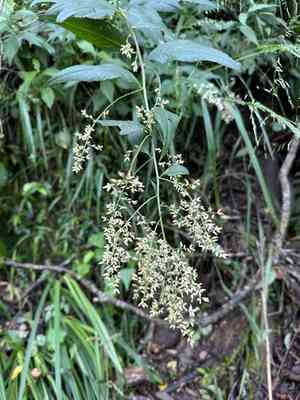
Artemisia anomala flourishes in soil that drains effectively and requires a moderate amount of moisture. To achieve successful propagation via seeding, plant the seeds in a meticulously prepared seedbed that receives ample light. Keep the soil consistently moist until the seeds sprout. Young plants may benefit from some dappled sunlight during their initial growth phase. After germination, thin out the seedlings to avoid excessive density and encourage vigorous growth.
When Is the Optimal Time to Propagate Artemisia Anomala?
Propagation Method
Seeding
Propagation Period
Spring
What Equipment Is Utilized in Artemisia Anomala Propagation?
Seed Trays
Seed trays are vital for planting artemisia anomala seeds. They offer a controlled setting for seed germination and growth. The tray cells assist in maintaining proper seed spacing and prevent overcrowding, fostering healthier seedlings.
Seed Starting Mix
A premium, sterile seed starting mix guarantees ideal soil conditions for artemisia anomala seedlings. This blend is finely textured, promotes good drainage, and supplies essential nutrients, aiding in the healthy development of the seedlings.
Seed Sowing Tool
A seed sowing tool aids in precise planting, ensuring that artemisia anomala seeds are uniformly distributed and planted at the correct depth. This minimizes waste and boosts germination rates.
Humidity Dome
A humidity dome placed over the seed tray retains moisture and warmth, creating an ideal microclimate for the germination of artemisia anomala seeds. This helps in maintaining consistent moisture levels and accelerates germination.
Heat Mat
A heat mat provides gentle bottom warmth, which can be crucial for the germination of artemisia anomala seeds, especially in cooler climates or seasons. The consistent warmth from the mat promotes quicker and more uniform sprouting.
Labels and Markers
Labels and markers are essential for tracking different seeds planted, especially when cultivating multiple varieties or batches. Proper labeling ensures that each artemisia anomala seedling can be correctly identified and cared for.
Watering Can with Fine Rose
A watering can with a fine rose is used to gently water artemisia anomala seedlings, preventing soil displacement and seed disturbance. Consistent and even watering is key for the healthy growth of the seedlings.
Grow Lights
Grow lights provide supplementary illumination, especially in low-light conditions, ensuring that artemisia anomala seedlings receive adequate light for photosynthesis. Proper lighting supports vigorous growth and prevents leggy seedlings.
How to Propagate Artemisia Anomala?
Propagation Difficulty
Simple
How to Care for Your Newly Propagated Artemisia Anomala?
How to Care for Your Newly Propagated Artemisia Anomala?
Post-transplant, ensure artemisia anomala receives ample sunlight, ideally full sun to partial shade. Water the plant regularly but allow the soil to dry out slightly between watering to prevent root rot. Mulch around the base to retain moisture and suppress weeds. Prune as needed to maintain its shape and encourage bushier growth.
Common Mistakes to Avoid When Propagating Artemisia Anomala
Overwatering
Supplying too much water can lead to root rot and fungal infections, which hinder propagation success.
Underwatering
Insufficient moisture can stress the plant and impede root development.
Poor Soil Drainage
Using soil that retains excessive water can suffocate the roots and lead to fungal growth.
Improper Light Conditions
Too much direct sunlight or insufficient light can impede the plantâs growth, affecting propagation.
Incorrect Cutting Techniques
Using dull or unsterilized tools can cause damage and increase the likelihood of disease.
Tips For Propagating Artemisia Anomala
Use Sterile Tools
Ensure all pruning shears and knives are clean and sanitized to prevent the spread of disease.
Moderate Watering
Keep the soil consistently moist but not waterlogged to promote healthy root development.
Well-Draining Soil
Use a soil mixture that drains well to prevent water from sitting around the roots.
Indirect Sunlight
Place the plant in a location where it receives bright, indirect light to promote healthy growth.
Proper Cuttings
Take cuttings from healthy, mature stems and ensure they are about 6 inches in length for optimal rooting.



