How to Propagate Sweet wormwood?
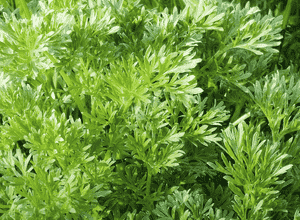
Artemisia annua is multiplied by seeding, ideally during the springtime. Its propagation is quite straightforward, with robust seedling appearance signifying successful development. Sufficient distance between plants and soil that drains effectively are crucial for peak outcomes.
Optimal Time for Sweet Wormwood Propagation
Propagation Method
Seeding
Propagation Period
Spring
Tools Required for Sweet Wormwood Propagation
Seed trays or flats
These offer an organized area for planting seeds. For sweet wormwood, shallow containers are effective, ensuring small seeds aren't buried too deep and maximizing space. The flat surface aids in even distribution, promoting germination.
Fine vermiculite or perlite
These mediums possess excellent water retention and aeration properties, vital for sweet wormwood seed germination. They also help prevent damping-off, a fungal ailment that can be harmful during early growth.
Misting bottle or sprayer
A misting bottle or sprayer is crucial for maintaining the necessary moisture levels for sweet wormwood seed germination without disturbing the seeds or causing overly wet conditions, which can lead to fungal growth.
Heating mat
Maintaining a consistent and appropriate temperature is essential for sweet wormwood germination. A heating mat provides a steady heat source, encouraging quicker and more uniform sprouting.
Grow light
Not all propagators will have sufficient natural light, especially when starting seeds indoors. A grow light ensures sweet wormwood receives enough light to prevent seedlings from becoming leggy or weak, fostering stronger initial development.
Propagation dome
By creating a mini greenhouse effect, a propagation dome maintains high humidity levels around sweet wormwood seeds, which is important for germination. It also helps regulate the temperature surrounding the seeds.
Steps to Propagate Sweet Wormwood
Propagation Method
Seeding
Difficulty Level
Simple
Post-Propagation Care for Sweet Wormwood
Post-Propagation Care for Sweet Wormwood
After propagation, ensure sweet wormwood plants receive ample sunlight and have good soil drainage. Water them regularly, but allow the soil to dry out between waterings to prevent root rot. Fertilize with a balanced fertilizer during the growing season but avoid overfeeding. Prune the plants to encourage bushy growth and remove any dead or damaged foliage. Protect from heavy frosts and pests such as aphids and spider mites.
Common Errors to Avoid When Propagating Sweet Wormwood
Overwatering
Watering sweet wormwood too often can lead to root rot, which is detrimental as sweet wormwood prefers well-drained soil. Excessive watering will suffocate the roots, reducing their ability to absorb nutrients, potentially killing the plant.
Overcrowding
Planting sweet wormwood seeds or cuttings too close together can impede their growth due to competition for light, nutrients, and airflow, which can lead to poor development and an increased risk of disease.
Ignoring soil composition
Using dense, clay-rich soil can hinder the drainage and aeration that sweet wormwood requires, potentially leading to waterlogged soil and root diseases.
Neglecting sanitation
Failing to use clean tools or containers when propagating sweet wormwood increases the risk of spreading pathogens, which could compromise the entire propagation process.
Advice for Propagating Sweet Wormwood
Soil selection
Preparing a light, well-draining soil rich in organic matter is ideal for sweet wormwood as it supports healthy root development without retaining excessive moisture.
Rooting hormone
Using a rooting hormone on cuttings can increase the chances of successful root development by stimulating root growth in sweet wormwood, although it can root without it.
Cutting selection
Choosing healthy, vigorous stems for cuttings from sweet wormwood ensures a higher likelihood of successful propagation as these have more energy and resources to establish new roots.
Spacing
Ensuring adequate spacing between planted seeds or cuttings of sweet wormwood allows for proper air circulation and reduces competition, leading to stronger, healthier plants.



