How to Propagate Common wormwood?
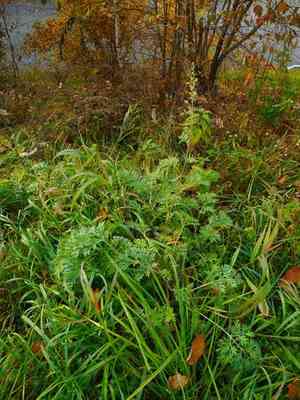
Artemisia absinthium multiplies easily through seeding in the springtime. Its propagation is quite straightforward, indicated by robust root formation and emerging sprouts. Guarantee optimal sprouting by supplying adequate hydration and illumination.
Optimal Period for Propagating Common Wormwood
Propagation Method
Seeding
Propagation Season
Spring
Tools Required for Common Wormwood Propagation
Seed trays or pots
These vessels offer a controlled setting for common wormwood seeds to sprout. Their dimensions should support adequate root expansion. Containers with drainage holes are crucial to prevent waterlogging, which can lead to seed decay.
Seed-starting mix
This specialized substrate blend is formulated to encourage robust seed germination and initial growth, being lighter and finer than standard potting soil. It provides common wormwood seeds with an optimal balance of drainage and moisture retention.
Perlite or vermiculite
These additions enhance aeration and drainage within the seed-starting mix, fostering an ideal environment for common wormwood's roots to develop without becoming saturated.
Misting bottle or watering can with a fine rose
These implements offer gentle irrigation options that help maintain the seed-starting mix's moisture without dislodging or washing away the tiny common wormwood seeds.
Labels or markers
Utilized to identify the plant species being propagated, especially when cultivating multiple varieties. This assists in monitoring common wormwood's progress during its germination phase.
Heat mat (optional)
This warming device can be positioned beneath the seed tray to help maintain an optimal and consistent soil temperature, which can boost common wormwood seed germination rates, particularly in cooler climates.
Steps to Propagate Common Wormwood
Propagation Type
Sowing
Difficulty Level
Easy
Caring for Your Newly Propagated Common Wormwood
Caring for Your Newly Propagated Common Wormwood?
Post-propagation, common wormwood requires relatively little upkeep. Ensure it is cultivated in a location with ample sunlight and well-draining soil. Water common wormwood regularly, but avoid excessive watering, as it prefers drier conditions. Pruning can be performed to maintain its desired form and encourage denser growth. Apply a mild, balanced fertilizer in spring, but be careful not to over-fertilize. Monitor for pests and diseases, addressing any issues promptly. During winter, shield it from excessive moisture to prevent root rot.
Common Errors to Avoid When Propagating Common Wormwood
Overwatering
After planting common wormwood cuttings or seeds, excessive moisture can lead to root rot or fungal infections, resulting in poor development or plant demise.
Planting too deeply
Common wormwood cuttings or seeds placed too far down may struggle with germination or rooting due to insufficient light and air access, impeding their growth.
Ignoring soil composition
Common wormwood thrives in well-drained soil. Utilizing a heavy or clay-rich soil might retain too much moisture, negatively impacting the plant's vitality.
Overcrowding
Planting common wormwood cuttings or seeds too close together can hinder air circulation and promote disease spread, as well as competition for resources, leading to weaker plants.
Neglecting to harden off
Failing to gradually acclimatize common wormwood to outdoor conditions can induce shock and increase their susceptibility to environmental stressors.
Advice for Propagating Common Wormwood
Soil preparation
Prepare a light, well-draining soil mixture for common wormwood to foster healthy root development and prevent waterlogged conditions.
Cutting selection
Choose robust, non-flowering stems for cuttings to ensure vigorous growth and higher chances of successful common wormwood propagation.
Appropriate planting depth
Position common wormwood seeds or cuttings at the correct depth to allow for sufficient light exposure and air circulation, aiding in germination and rooting.
Adequate spacing
Ensure common wormwood is spaced appropriately to provide ample airflow and resources, reducing disease risk and promoting healthier growth.
Gradual acclimatization
Gradually expose common wormwood to outdoor conditions over several days to strengthen their tolerance to wind, sunlight, and temperature fluctuations.



