How to Propagate Birthwort?
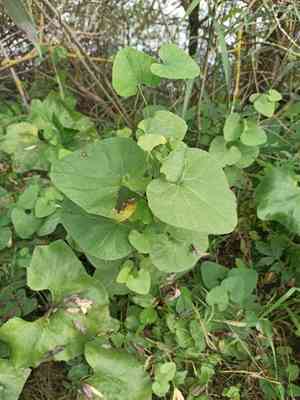
Aristolochia can be effectively multiplied through seed dispersal. To achieve the best outcomes, gather newly harvested seeds and embed them in a potting blend that drains efficiently. Position them in a location with partial shade to replicate their native forest floor environment. Sustain steady hydration throughout the sprouting phase, as this boosts the chances of successful reproduction. Consistent nurturing and oversight during the initial stages of growth will foster the emergence of robust specimens.
Optimal Period for Birthwort Propagation
Propagation Type
Sowing
Propagation Season
Spring
Tools for Birthwort Propagation
Seed trays
Seed trays are vital for propagating birthwort via sowing. They help organize seeds and provide ample development space. Their uniformity aids in maintaining consistent soil conditions, crucial for birthwort's germination and early growth.
Fine-grade potting mix
A fine-grade potting mix offers the necessary light and well-draining environment for birthwort seeds. This soil type encourages better root growth and water retention, key factors in birthwort's initial development. Its fine texture ensures close seed contact, improving water absorption and reducing rot risk.
Misting bottle
A misting bottle is essential for gently watering seeds without dislodging them. It helps maintain adequate soil moisture, vital for birthwort germination. The fine mist doesn't disturb soil or seeds, unlike traditional methods, protecting fragile seeds during critical germination.
Heat mat
A heat mat is especially useful for birthwort, providing a consistent heat source needed for efficient germination in cooler settings. By maintaining a stable temperature, the heat mat ensures optimal growing conditions for birthwort seeds, boosting their development and viability.
Grow lights
Grow lights are important when propagating birthwort indoors. They provide crucial light spectra mimicking natural sunlight, supporting photosynthesis in early seedling stages. Especially during low sunlight seasons, grow lights help control light exposure, ensuring continuous growth and development.
Birthwort Propagation Method
Propagation Type
Easy
Caring for Newly Propagated Birthwort
Caring for Newly Propagated Birthwort
Post-germination, continue to provide birthwort with well-drained, fertile soil, moderate watering, and partial shade. Shield young plants from extreme temperatures. As birthwort grows, support climbing stems with a trellis or similar structure to encourage vertical growth and healthy development.
Common Errors to Avoid When Propagating Birthwort
Overwatering
Excessive water can cause root rot and fungal diseases in birthwort, which prefers well-drained soil. Overwatering can suffocate the plant's roots, reducing nutrient uptake efficiency and potentially killing the plant.
Deep planting
Planting birthwort seeds or cuttings too deeply can impede their ability to sprout or root. This error leads to poor air circulation around the plant base, increasing susceptibility to rot and fungal infections.
Ignoring plant toxicity
Handling birthwort without gloves can expose individuals to its toxic properties, which can be harmful if in contact with skin or ingested. This oversight can lead to health issues for the gardener and should be strictly avoided.
Tips For Propagating Birthwort
Use of fresh seeds
For birthwort, using fresh seeds enhances germination rates as seed viability diminishes over time. Fresh seeds ensure better growth potential and healthier sprouts.
Well-draining soil
Utilize soil that promotes good drainage to prevent waterlogging, which is harmful to birthwort's health. This environment fosters healthier roots and prevents diseases like root rot.
Indirect light for cuttings
When propagating birthwort from cuttings, place them in indirect light. This prevents the delicate new growth from being scorched by direct sunlight, while still providing enough light for photosynthesis and healthy growth.



