How to Propagate Guinea-fowl aloe?
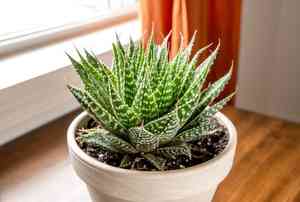
The primary method for propagating Guinea-fowl aloe is via cuttings, ideally performed in Spring or Autumn. This procedure is quite straightforward, with indicators of success being the emergence of new roots and tiny leaves. Always confirm that the cut ends of the cuttings have hardened before placing them in soil.
Optimal Time for Guinea-fowl Aloe Propagation
Propagation Method
Cutting
Propagation Period
Spring, Autumn
Tools Required for Guinea-fowl Aloe Propagation
Sharp pruning shears or knife
A clean, sharp cutting instrument is essential for making precise cuts when propagating guinea-fowl aloe via the cutting method. It ensures a clean incision, reducing infection risk and promoting faster healing. Tools must be sterilized prior to use to prevent disease transmission.
Rooting hormone
This compound is utilized to encourage root formation on guinea-fowl aloe cuttings. Applying rooting hormone to the cutting's base enhances the success rate of root development and aids in establishing robust, healthy new plants.
Potting mix or perlite
A suitable rooting medium that drains well and is pathogen-free is crucial for guinea-fowl aloe propagation. A blend of potting mix or soil with perlite improves aeration and moisture retention, contributing to effective rooting of cuttings.
Pots or trays
Clean, appropriately sized containers are needed to hold the cuttings until they develop roots. These should offer sufficient space for root growth without being overly large, which could retain excess moisture and lead to rot.
Plastic bags or humidity dome
Creating a humid environment around the guinea-fowl aloe cutting helps maintain proper moisture levels and stimulates rooting. Covering the cutting with a plastic bag or placing it under a humidity dome can retain humidity and warmth, facilitating root development without overwatering.
How to Propagate Guinea-fowl Aloe?
Propagation Type
Cutting
Difficulty Level
Easy
Caring for Your Newly Propagated Guinea-fowl Aloe
Caring for Your Newly Propagated Guinea-fowl Aloe?
Post-propagation, guinea-fowl aloe requires minimal yet attentive care to flourish. Position it in bright, indirect light and water sparinglyâonly when the soil is completely dry. As guinea-fowl aloe is a succulent, it tolerates drought and prefers less frequent watering. Overwintering might be necessary in colder climates, where guinea-fowl aloe should be kept indoors to prevent frost damage. Gradually introduce guinea-fowl aloe to direct sunlight to avoid leaf burn and ensure adequate air circulation for plant health. Regularly inspect for pests or diseases, treating as needed. Over time, guinea-fowl aloe can be fertilized with a diluted succulent fertilizer during the growing season for added nutrients.
Common Errors to Avoid When Propagating Guinea-fowl Aloe
Overwatering
Excessive watering of guinea-fowl aloe can lead to root rot. Too much moisture hinders rooting and reduces the likelihood of successful propagation, as the delicate root system of guinea-fowl aloe can easily become waterlogged.
Too much direct sunlight
Guinea-fowl aloe cuttings or offsets can be harmed by intense direct sunlight during the initial propagation stages. This can cause sunburn and desiccation, impeding root formation and growth.
Using infested or diseased plant material
Propagating from infected guinea-fowl aloe material can transfer pests or diseases to new plants, severely impacting their survival and growth prospects.
Improper planting depth
Guinea-fowl aloe offsets or cuttings should not be planted too deeply, as this can cause stem rot. Planting them too shallowly may prevent them from being adequately anchored to develop roots.
Ignoring cleanliness
Using uncleaned tools or containers for propagating guinea-fowl aloe can introduce harmful pathogens, affecting the plant's health and propagation success.
Tips For Propagating Guinea-fowl Aloe
Proper cutting preparation
Allow guinea-fowl aloe cuttings to form a callous over the cut surface before planting. This helps prevent rot and encourages healthy root development.
Suitable substrate
Use a well-draining cactus or succulent mix to ensure the delicate roots of guinea-fowl aloe do not sit in water, promoting healthy root growth.
Indirect light
Place guinea-fowl aloe in a location with bright, but indirect light to prevent sunburn while providing sufficient energy for root development.
Adequate air flow
Ensure guinea-fowl aloe is in an environment with good air circulation to help prevent fungal diseases and promote healthy growth.
Moderate watering regime
Water guinea-fowl aloe sparingly and only when the soil has dried out to avoid root rot. Moisture levels should be carefully monitored to maintain balance.



