How to Propagate Areca palm?
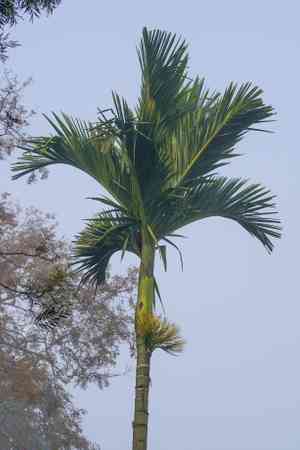
Areca palm is generally reproduced by separating its clusters. When performing divisions, verify that every section possesses a minimum of one robust sprout and sufficient root structure. Employing a sharp, sanitized instrument is crucial to lessen harm and diminish the chance of disease. Following division, place the segments into a substrate that drains effectively and sustain steady hydration without saturating the soil, to foster successful root development and expansion.
Optimal Time for Areca Palm Propagation
Propagation Method
Division
Propagation Period
Spring,Autumn
Tools Required for Areca Palm Propagation
Sharp, sanitized pruning shears or knife
These implements are crucial for making clean cuts through the areca palm's root system during the division process. A sharp, sterile blade prevents damage and disease spread to the roots, ensuring healthier propagation. Sanitizing the tool before each use is vital to minimize pathogen transmission to areca palm.
Watering can with a gentle shower head
After dividing areca palm, delicate watering is necessary to help the newly propagated plants settle into their new environment. A watering can with a soft shower head ensures even water distribution without disturbing the soil or new divisions, promoting better root establishment.
Rooting hormone (optional)
Applying a rooting hormone to the cut surfaces of areca palm's roots can boost root development and propagation success rates. This is especially beneficial if divisions appear small or weak, as it encourages faster root growth and helps plants establish more quickly.
Quality potting mix
A well-draining, nutrient-rich potting mix is essential for the successful establishment of areca palm divisions. The mix should retain moisture without becoming waterlogged, providing an ideal environment for new root growth while preventing root rot. Choose a mix containing perlite or vermiculite for improved drainage.
Containers or pots with drainage holes
Following division, each section of areca palm should be planted in its own container. Using pots with adequate drainage holes is critical to prevent excessive water retention in the soil, which can lead to root rot and other moisture-related diseases. Ensure pots are appropriately sized to accommodate the root system without overcrowding.
How to Propagate Areca Palm?
Propagation Type
Simple
Post-Propagation Care for Your Areca Palm
How to Care for Your Newly Propagated Areca Palm?
After propagation, maintain consistent moisture for areca palm, allowing the soil to dry slightly between watering. Avoid overwatering, which can cause root rot. Provide bright, indirect light and shield from direct sun to prevent leaf burn. Regularly inspect for pests and diseases, especially in the initial months post-propagation. Fertilize lightly monthly during the growing season to support robust growth.
Common Errors to Avoid When Propagating Areca Palm
Overwatering
Excessive watering can lead to root rot in areca palm, as it prefers well-draining soil. This condition impairs the roots' ability to absorb nutrients effectively, potentially causing the plant's demise.
Using non-sterile tools
Propagating with contaminated tools can introduce pathogens to the cut sections of areca palm, increasing the risk of infections that can impede growth and spread disease.
Improper cutting size
Taking cuttings that are too short or too long can impact the rooting efficiency of areca palm. Cuttings that are too short may lack sufficient energy reserves, while those too long can lead to moisture loss and reduced survival rates.
Ignoring humidity needs
Failure to maintain high humidity during the rooting process can cause areca palm cuttings to dry out before roots establish, leading to a lower propagation success rate.
Tips For Propagating Areca Palm
Use sharp, clean tools
Ensure all cutting tools are sterile and sharp. This prevents disease transmission and promotes healthier, quicker healing cuts, helping areca palm establish more effectively.
Ideal cutting length
Prepare cuttings approximately 4-6 inches long with several leaf nodes. This length balances sufficient leaf surface for photosynthesis with a manageable size to retain moisture.
Maintain high humidity
Keep the propagation environment humid to support areca palm cuttings. Use a humidity dome or cover cuttings with a plastic bag to create a moist microenvironment, crucial for root development.
Careful watering
Water the soil moderately where areca palm cuttings are planted to keep it moist but not waterlogged. Proper soil moisture is critical for new root formation without risking fungal infections.



