How to Propagate Alexandra Palm?
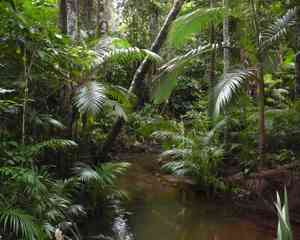
Originating from Queensland, Australia, alexandra Palm flourishes in equatorial environments and is valued for its graceful foliage and prominent, narrow stem. To multiply alexandra Palm, separation is the main technique where suckers are meticulously detached and re-established. For effective separation, confirm that each sucker possesses a sufficient root structure. It is crucial to sustain elevated humidity and warm conditions to stimulate development. Exercise care regarding excessive watering to prevent root decay, as supplying consistently damp, free-draining substrate can furnish an ideal setting.
Optimal Time for Alexandra Palm Propagation
Propagation Method
Division
Propagation Period
Spring,Autumn
Tools for Alexandra Palm Propagation
Sharp, Sterilized Knife or Pruning Shears
These cutting implements are vital for cleanly and precisely separating the root ball or clumps of alexandra Palm, minimizing harm to the root system. A sharp knife ensures clean cuts, which helps prevent disease entry and stress to the plant. Sterilizing the tools prevents the spread of pathogens, promoting healthier growth after propagation.
Spade or Garden Fork
These instruments are used to gently lift and separate the root system of alexandra Palm from the soil during division. A spade or fork with sharp, sturdy tines is beneficial for penetrating dense soil without damaging the root structure, providing easier access to the plant base for effective division.
Watering Can or Hose with a Soft Spray Attachment
Following division, it's essential to water alexandra Palm thoroughly to help reduce transplant shock and facilitate quicker recovery. A watering can or hose with a soft spray attachment allows gentle watering that does not disturb the newly planted divisions, aiding in the establishment of roots in their new location.
How to Propagate Alexandra Palm?
Propagation Type
Easy
Caring for Your Newly Propagated Alexandra Palm
Caring for Your Newly Propagated Alexandra Palm
After propagation, position alexandra Palm in bright, indirect light and maintain consistent moisture without overwatering. Monitor the plants for signs of stress and adjust care as needed. Fertilize with a balanced, slow-release palm fertilizer after the first month to encourage healthy growth. As alexandra Palm matures, repot when necessary and provide ample space for the palm's development.
Common Mistakes to Avoid When Propagating Alexandra Palm
Overwatering
Excessive watering can lead to root rot in alexandra Palm, as its roots require periods of dryness between waterings. This error can severely impair root development and overall plant health.
Using too small pots
Selecting a pot that's too small for alexandra Palm's propagation can restrict root growth, leading to stunted development and reduced vigor of the plant.
Incorrect soil mixture
Using a soil mix that doesn't drain well can cause water to accumulate around alexandra Palm's roots, hindering proper root aeration and potentially causing root diseases.
Insufficient cleaning of seeds
Failing to thoroughly clean off pulp from alexandra Palm's seeds can attract pathogens and pests, resulting in poor germination rates and compromised seedlings.
Planting seeds too deep
Sowing alexandra Palm's seeds too deeply in the substrate can prevent them from receiving adequate light and warmth to germinate, reducing propagation success.
Tips For Propagating Alexandra Palm
Appropriate watering
Provide alexandra Palm with adequate water during propagation, allowing the soil to partially dry between waterings to prevent root rot and promote a healthy root system.
Pot size selection
Select a pot large enough to accommodate alexandra Palm's root system, giving it ample space to expand, which will foster healthy growth.
Well-draining soil
Use a well-draining soil mix for alexandra Palm to encourage proper aeration and moisture management, preventing waterlogged conditions that can harm the plant.
Clean seeds before sowing
Clean alexandra Palm's seeds thoroughly to remove any pulp and debris, which will minimize the risk of fungal or pest issues and enhance the chances of successful germination.
Correct seed depth
Sow alexandra Palm's seeds at the appropriate depth, typically no more than an inch below the soil surface, to ensure they have access to necessary environmental conditions for germination.



