How to Propagate Wild sarsaparilla?
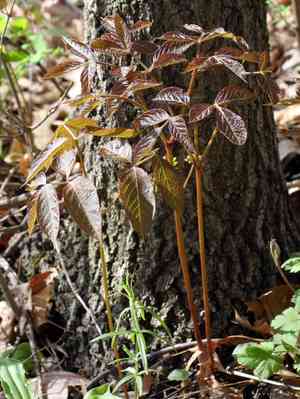
Wild sarsaparilla primarily reproduces by planting seeds in the spring, a process of moderate complexity. Evidence of successful propagation is indicated by the appearance of fresh foliage. Providing soil with good drainage and adequate sunlight will improve the chances of successful propagation.
Optimal Period for Wild Sarsaparilla Propagation
Propagation Type
Sowing
Propagation Season
Spring
Tools for Wild Sarsaparilla Propagation
Seed trays
Seed trays are crucial for initiating wild sarsaparilla from seeds. Their shallow compartments facilitate proper seed spacing and depth control, ensuring each seed has ample room to sprout without competition. The compact design helps maintain consistent moisture levels, vital for wild sarsaparilla's successful germination.
Soil mix
A premium, well-draining soil blend is essential for planting wild sarsaparilla seeds. This mixture should be light yet rich in nutrients, offering the delicate seeds an ideal growing medium that supports root growth while preventing waterlogging, which can cause seed rot.
Misting bottle
A misting bottle is employed to gently irrigate wild sarsaparilla seeds without disturbing them. The fine spray ensures the soil is damp but not excessively wet, mimicking the moist forest floor conditions wild sarsaparilla naturally prefers. This tool aids in maintaining the necessary humidity around the seeds, promoting better germination rates.
Labeling sticks
Labeling sticks are important for identifying wild sarsaparilla within a seed tray, especially when multiple plant species are being cultivated simultaneously. These assist in monitoring germination and growth progress, ensuring appropriate care tailored to each plant's needs during its early stages.
Grow light (if indoors)
If cultivating wild sarsaparilla indoors, a grow light can supply the necessary light spectrum that may not be available in all indoor environments. This light supports photosynthesis, which is critical for the healthy development of seedlings once they emerge, ensuring they grow strong and viable.
How to Propagate Wild Sarsaparilla?
Propagation Type
Easy
Caring for Your Newly Propagated Wild Sarsaparilla
Caring for Your Newly Propagated Wild Sarsaparilla
Once wild sarsaparilla seeds have germinated, continue to keep the area shaded or partially shaded and the soil moist. Wild sarsaparilla thrives in cool, damp conditions, replicating its natural understory habitat. Apply mulch around the plants to help retain soil moisture. Limit fertilizer use as wild sarsaparilla flourishes in natural forest soil conditions without extra feeding.
Common Mistakes to Avoid When Propagating Wild Sarsaparilla
Overwatering
Excessive watering of wild sarsaparilla during propagation can lead to root rot, a condition where roots decay, preventing them from absorbing vital nutrients and water. This significantly hinders growth and can ultimately kill the plant.
Deep planting
Planting wild sarsaparilla's rhizomes too deeply can impede their growth, as wild sarsaparilla roots prefer a shallow planting depth to effectively sprout and establish. Deep planting may obstruct sprout emergence and root development.
Neglecting humidity
Ignoring the need for high humidity around wild sarsaparilla during propagation is problematic because it impacts the plant's ability to develop new roots and shoots. Insufficient humidity can lead to the drying out of plant parts.
Using poor soil mix
Employing an unsuitable soil mix that lacks proper drainage or nutrient content can hinder the growth of wild sarsaparilla. Poor soil conditions can result in inadequate root development and growth, reducing the overall success of propagation.
Tips For Propagating Wild Sarsaparilla
Appropriate rhizome sectioning
When propagating wild sarsaparilla by division, ensure to use healthy, disease-free rhizome sections. Each section should possess at least one bud to guarantee it can develop into a new plant, focusing on the plant's regenerative capacity to enhance propagation success.
Shallow planting
Plant wild sarsaparilla's rhizomes superficially, just beneath the soil surface. This allows for optimal sprout emergence and root development, leveraging the plant's natural tendency for shallow root systems.
Maintain high humidity
Sustaining a high humidity environment for wild sarsaparilla during propagation will aid in the successful development of roots and shoots. Utilize humidity trays or enclosures to create a more favorable moisture level in the air around the plant.
Suitable soil mix
Use a well-draining, fertile soil mixture for propagating wild sarsaparilla. Ensure the soil is loose and rich in organic matter to support healthy root growth and overall plant vigor.



