How to Propagate Spikenard?
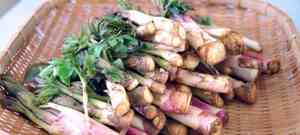
Spikenard flourishes when reproduced by seeding. To achieve the best results, utilize newly harvested seeds for improved sprouting success. It is advantageous to plant directly into a fertile, adequately draining soil blend, ensuring the substrate remains damp yet not saturated. Confirm that the nascent shoots receive sufficient, yet mild, illumination to encourage robust development.
Optimal Period for Spikenard Propagation
Propagation Method
Seeding
Propagation Season
Spring
Tools for Spikenard Propagation
Seed trays
Seed trays are vital for planting spikenard seeds. They allow gardeners to sow many seeds efficiently, optimizing space and resources. These trays help maintain consistent soil moisture and temperature, which are crucial for spikenard germination.
Peat pots
Peat pots are beneficial for spikenard sowing as they reduce root disturbance during transplanting. Being biodegradable, they can be planted directly into the soil, lessening transplant shock and promoting healthier root growth. This feature particularly aids spikenard in establishing itself strongly in its permanent spot.
Fine vermiculite
Vermiculite is a soil additive that enhances water retention and aeration in the soil mix. When used for spikenard sowing, vermiculite ensures an ideal balance of moisture and air around the seeds, boosting germination rates and early seedling development. This component is key for giving spikenard seedlings a robust start.
Watering can with a fine rose
This tool is essential for gently watering spikenard seedlings without dislodging soil or harming young plants. The fine rose attachment distributes water evenly, mimicking soft rain, which is perfect for keeping the soil moist during spikenard's critical germination phase.
Grow lights (if indoor propagation)
When natural light is insufficient, especially indoors, grow lights provide the necessary light spectrum for healthy spikenard seedling growth. Proper lighting is vital for developing strong, healthy plants ready for outdoor transplanting.
Heat mats
Heat mats are advantageous for spikenard propagation as they help maintain a steady soil temperature, a crucial factor for seed germination. The controlled warmth from heat mats can significantly improve germination rates and speed, particularly in cooler climates.
How to Propagate Spikenard?
Propagation Type
Simple
Caring for Your Newly Propagated Spikenard
Caring for Your Newly Propagated Spikenard?
Spikenard thrives in a shady to partially shady spot with moist, well-draining soil rich in organic matter. After planting, ensure spikenard receives adequate water, especially during dry periods. Mulching helps maintain soil moisture and temperature. Regular checks for pests and diseases, like leaf spot or blight, are vital for plant health.
Common Mistakes to Avoid When Propagating Spikenard
Overwatering
Excessive watering can cause root rot in spikenard, as its roots need well-draining soil to remain healthy. Waterlogged conditions hinder proper root development and can be fatal.
Using non-sterile equipment
Propagation involves making cuts on a plant, and using unsterilized tools can introduce pathogens to spikenard, leading to infections and poor health in the propagated plants.
Incorrect cutting size
Taking cuttings that are either too long or too short can affect spikenard's ability to root and grow successfully. Optimal cutting length ensures sufficient energy reserves and space for new roots to form.
Tips For Propagating Spikenard
Pre-moisten the soil
Before planting, ensure the soil is damp but not waterlogged. This provides spikenard cuttings with an ideal environment to begin rooting without the risk of the soil drying out or becoming overly wet initially.
Use rooting hormone
Applying a rooting hormone to spikenard cuttings can significantly boost the rooting process, improving the chances for successful plant establishment and growth.
Provide indirect light
While spikenard needs light to grow, direct sunlight can harm fresh cuttings. Placing the propagation setup in a location with indirect but bright light supports healthy growth without the stress of intense direct sun.



