How to Propagate Manchurian spikenard?
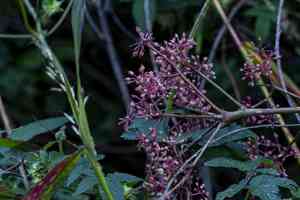
Aralia elata flourishes in damp, adequately drained substrates and partial shade environments. For effective planting, utilize fresh seeds and sow them in a cold frame to enhance germination success. Young plants ought to be relocated once they possess sufficient resilience. Consistent irrigation and mulching foster vigorous development, leading to sturdy specimens. To stimulate branching, routinely remove the terminal growth points.
Optimal Time for Manchurian Spikenard Propagation
Propagation Method
Seeding
Propagation Period
Spring
Tools Required for Manchurian Spikenard Propagation
Seed Trays
These containers offer an ideal setting with ample room for manchurian spikenard seeds to sprout. They facilitate easy observation and management during early development.
Seed Starting Mix
A well-draining seed starting medium is vital for manchurian spikenard, preventing waterlogging and supplying the necessary nutrient balance for germination and initial growth.
Humidity Dome
A humidity dome helps maintain consistent moisture and warmth, crucial for the effective sprouting of manchurian spikenard seeds.
Heat Mat
Employing a heat mat ensures the soil temperature stays within the optimal range for seed germination, especially beneficial for manchurian spikenard, which needs specific temperature conditions to emerge.
Watering Can with Fine Rose
A watering can equipped with a fine rose allows for gentle irrigation, preventing seed displacement and avoiding waterlogging, ensuring delicate manchurian spikenard seeds are adequately moistened without disturbance.
Spray Bottle
A spray bottle is useful for gently misting seedling trays, providing moisture without dislodging manchurian spikenard seeds or young seedlings.
Grow Lights
Supplemental grow lights ensure manchurian spikenard seedlings receive sufficient illumination if natural sunlight is inadequate, promoting healthy development in their initial stages.
Labeled Plant Markers
Using plant markers to label seed trays helps track manchurian spikenard propagation, ensuring proper identification and care for each growing batch.
How to Propagate Manchurian Spikenard?
Propagation Type
Simple
Caring for Your Newly Propagated Manchurian Spikenard
Caring for Your Newly Propagated Manchurian Spikenard?
Post-transplantation, manchurian spikenard plants need regular watering to establish a robust root system, but ensure the soil drains well to prevent root rot. Provide partial to full shade, mimicking their natural environment. Mulch around the base to retain moisture and suppress weeds. Fertilize sparingly with a balanced fertilizer, as manchurian spikenard are not heavy feeders. Monitor for pests and diseases, treating them promptly if observed.
Common Errors to Avoid When Propagating Manchurian Spikenard
Overwatering
Excessive watering can lead to root rot, as manchurian spikenard prefers well-drained soil. Overly wet conditions can hinder root establishment and encourage fungal diseases.
Using heavy soil
Employing dense or clay-rich soil can restrict root development and limit aeration, leading to poor propagation results for manchurian spikenard.
Incorrect cutting method
Failing to use clean, sharp tools or not cutting at the proper nodes can result in infection or unsuccessful propagation.
Lack of humidity
Insufficient humidity can cause cuttings to dry out before rooting, which is crucial for the initial stages of manchurian spikenard propagation.
Improper light conditions
Exposing manchurian spikenard cuttings to direct sunlight can cause leaf burn and desiccation, while too little light can impede photosynthesis and root growth.
Tips For Propagating Manchurian Spikenard
Well-draining soil
Utilize a mix that drains effectively, such as a blend of perlite, peat moss, and sand, to prevent waterlogging and encourage healthy root development.
Use of rooting hormone
Apply a rooting hormone to cuttings before planting to enhance root formation and increase the likelihood of successful propagation.
Maintain high humidity
Cover cuttings with a plastic dome or place them in a high-humidity environment to reduce water loss and support root initiation.
Indirect light
Position manchurian spikenard cuttings in a spot with bright, indirect light to ensure they receive sufficient energy without the risk of scorching.
Sanitize tools
Ensure all cutting tools are sterilized to prevent the introduction of pathogens that can infect and hinder the growth of manchurian spikenard.



