How to Propagate Peanut?
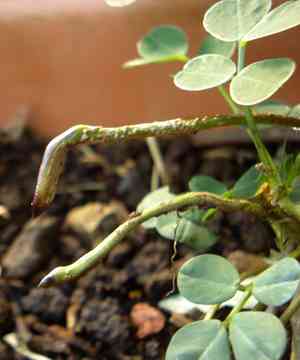
Peanut cultivation is most effective in Spring via seeding. This propagation method is quite straightforward and generally yields positive results when sprouts develop robust green foliage. Prevent excessive watering and ensure adequate warmth for successful sprouting.
Optimal Time for Peanut Propagation
Propagation Method
Sowing
Propagation Period
Spring
Tools Required for Peanut Propagation
Seed starting trays or pots
These containers offer individual compartments for peanut seeds to sprout and develop into young plants without disruption. They must have good drainage to avoid waterlogging, which is crucial for peanut's early growth.
High-quality potting mix
This growing medium is vital for peanut seed propagation, ensuring seeds receive the right texture and nutrients for initial development. It should be well-draining and fertile to support peanut's growth.
Watering can with a fine rose
This tool enables gentle irrigation that doesn't disturb peanut seeds or seedlings. The fine spray ensures uniform soil moisture without causing erosion or exposing the seeds.
Plant labels and markers
These aid in identifying peanut seedlings, especially when propagating multiple varieties or plants simultaneously. Accurate labeling helps track each plant's growth and care needs.
Heat mat (optional)
Used to provide a consistent and ideal soil temperature for peanut seed germination. While peanut thrives in warm climates, a heat mat can accelerate germination, particularly in cooler conditions.
How to Propagate Peanut?
Propagation Type
Sowing
Difficulty Level
Easy
Caring for Your Newly Propagated Peanut
Caring for Your Newly Propagated Peanut
After propagation, care for peanut involves maintaining soil moisture without overwatering, especially during flowering and pegging when peanut forms underground. Supplement with a balanced fertilizer based on soil test results. Keep the area free of weeds and provide support if needed due to heavy foliage. As the plant matures, reduce watering to allow pods to harden. Harvest peanut when foliage yellows and the soil is dry to prevent pod rot.
Common Errors to Avoid When Propagating Peanut
Overwatering
Excessive watering of peanut can lead to root rot because peanut's roots require well-draining soil to prevent water accumulation that fosters fungal diseases.
Planting too deep
Sowing peanut seeds too deeply can lower germination rates as peanut seeds need an appropriate soil depth for proper growth and sunlight access.
Neglecting soil quality
Not using a well-aerated soil mixture is detrimental for peanut because it prefers loose, sandy soil that allows for proper root expansion and prevents compaction.
Tips For Propagating Peanut
Proper soil preparation
Preparing loose, sandy, and well-drained soil will help peanut establish strong roots and grow vigorously.
Ideal depth
Sowing peanut seeds at the correct depth, not exceeding 1-2 inches, ensures adequate exposure to warmth and light, crucial for germination.
Moderate watering
Providing moderate, consistent moisture to peanut helps prevent root diseases and supports healthy growth without leading to waterlogged conditions.



