How to Propagate Wild celery?
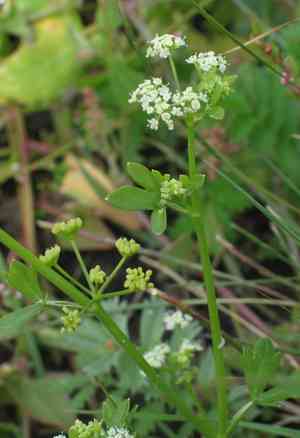
Apium graveolens reproduces most effectively by planting seeds in the springtime. The process of reproduction is simple and uncomplicated. Indicators of successful reproduction encompass robust seed sprouting and developing leaves. Sufficient hydration and soil that drains properly are crucial for successful reproduction.
When Is the Best Time To Propagate Wild Celery?
Propagation Method
Seeding
Propagation Period
Spring
What Tools Are Used in Wild Celery Propagation?
Seed trays
Seed trays are vital for planting wild celery's tiny seeds in a regulated setting. They enable optimal spacing and simple management during initial growth. Using seed trays guarantees that delicate wild celery seedlings receive even water and nutrient distribution, preventing overcrowding, which can cause poor air circulation and fungal diseases.
Fine-textured potting mix
A fine-textured potting mix is essential for wild celery seed germination, offering the right balance of drainage and water retention. This medium creates an ideal environment for tiny wild celery seeds to sprout by maintaining necessary moisture without becoming waterlogged, leading to more successful and uniform growth.
Misting bottle
A misting bottle gently waters wild celery seeds and fragile seedlings without disturbing them. It delivers a fine spray that maintains high humidity and moist soil, crucial conditions for successful wild celery seed germination.
Heat mat
A heat mat can be especially helpful for wild celery propagation as it maintains a steady soil temperature, which can boost the germination rate of wild celery seeds. Particularly in cooler climates or seasons, a heat mat can provide the warm environment wild celery seeds need for optimal germination.
How to Propagate Wild Celery?
Propagation Method
Seeding
Difficulty Level
Easy
How to Care for Your Newly Propagated Wild Celery?
How to Care for Your Newly Propagated Wild Celery?
After propagation, wild celery requires consistent care to flourish. Keep the soil consistently moist but avoid overwatering. Provide full sun to partial shade and shield plants from strong winds. Fertilize lightly with a balanced fertilizer every 4-6 weeks during the growing season. Regularly remove any yellowing leaves and manage pests or diseases as they appear. As wild celery is a biennial, it will produce foliage the first year and can be harvested for its stalks and leaves. In the second year, it will flower and set seeds. The flowering stalk should be removed if you wish to continue harvesting the leaves.
Common Mistakes to Avoid When Propagating Wild Celery
Overwatering
Providing too much water can cause root rot for wild celery, as it prefers well-drained soil. Excessively soggy conditions can harm root health.
Planting depth
Planting seeds or cuttings too deep can prevent wild celery from sprouting or establishing correctly. Seeds need light to germinate effectively, and cuttings require adequate air circulation.
Ignoring pest control
Neglecting potential pest issues can impede wild celery propagation. Aphids and other pests can quickly overwhelm young plants if not managed.
Overcrowding
Placing seeds or cuttings too close together can restrict wild celery's growth due to competition for nutrients and space, potentially leading to stunted development.
Tips For Propagating Wild Celery
Soil preparation
Ensuring the soil is rich in organic matter and well-draining will provide wild celery with ideal growing conditions to thrive.
Watering schedule
Maintain a consistent watering schedule that keeps the soil for wild celery moist but not waterlogged to encourage healthy root development.
Cutting selection
Choosing healthy, robust stems for cuttings can increase the chances of successful propagation for wild celery.
Pest monitoring
Regularly inspecting wild celery for signs of pests will allow for early intervention, which is critical for the plant's development.



