How to Propagate Garden snapdragon?
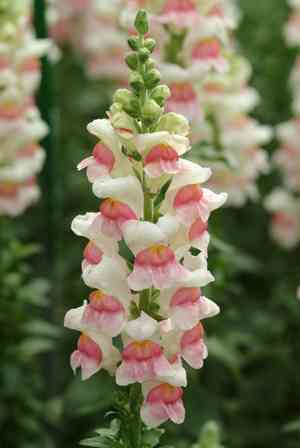
Antirrhinum majus primarily reproduces by planting seeds in the springtime. Their propagation presents a moderate challenge. Thriving seedlings and vivid flowers signify successful reproduction. Maintain consistent soil moisture for ideal development and sprouting.
Optimal Period for Garden Snapdragon Propagation
Propagation Method
Seeding
Propagation Season
Spring
Essential Tools for Garden Snapdragon Propagation
Seed trays or flats
Seed trays offer an organized method for planting and spacing garden snapdragon seeds, facilitating proper air circulation and root development. Their shallow design aids in managing soil moisture, vital for seed germination.
Vermiculite or Perlite
These light, porous materials help prevent soil compaction, improving the air-to-water ratio. They encourage root growth and drainage, lessening the chance of root rot during garden snapdragon's germination phase.
Misting bottle or spray nozzle
A gentle misting bottle or adjustable nozzle delivers moisture to garden snapdragon seeds and delicate seedlings without disturbing the soil or dislodging seeds, ensuring uniform hydration crucial for germination.
Clear plastic dome or cover
A transparent cover over seed trays maintains high humidity and warm temperatures for garden snapdragon, creating a greenhouse effect that boosts seed germination and initial growth.
Steps to Propagate Garden Snapdragon
Propagation Type
Seeding
Difficulty Level
Simple
Post-Propagation Care for Your Garden Snapdragon
How to Care for Your Newly Propagated Garden Snapdragon?
After propagation, garden snapdragon needs well-draining soil and a sunny spot to thrive. Regular watering is necessary, especially during dry spells, but avoid waterlogged conditions. Fertilize lightly with a balanced feed and remove spent blooms to encourage continuous flowering. Garden snapdragon is quite resilient but can be prone to rust and powdery mildew; good air circulation and avoiding overhead watering can reduce these risks. Provide support if needed, as some varieties may become top-heavy with flowers. In areas where garden snapdragon is grown as an annual, allow some flowers to go to seed at season's end to promote self-seeding for the next year.
Common Errors to Avoid When Propagating Garden Snapdragon
Overwatering
Excessive watering of garden snapdragon seedlings can lead to root rot, as their roots require good drainage and are particularly vulnerable to too much moisture. Overwatering saturates the soil, depriving roots of oxygen and promoting fungal growth.
Deep sowing
Planting garden snapdragon seeds too deep in the soil can prevent them from receiving the light needed for germination and growth. Garden snapdragon seeds require light for optimal sprouting, so deeply buried seeds may not emerge.
Neglecting to deadhead
Failing to remove faded flowers from garden snapdragon can impede further blooming and diminish plant vigor. Deadheading promotes new flower growth and can also prevent the plant from expending energy on seed production when propagation is desired from cuttings or division.
Overcrowding
Insufficient spacing for garden snapdragon seedlings can result in poor air circulation and light penetration, increasing the risk of fungal diseases and stunted growth due due to resource competition.
Advice for Propagating Garden Snapdragon
Light during germination
Ensure garden snapdragon seeds are placed on the soil surface or lightly covered with a thin layer of soil or vermiculite, as they need ample light to germinate effectively.
Moisture control
Maintain consistent moisture levels for garden snapdragon seeds without saturating the soil. Using a spray bottle or a fine mist setting on a hose for watering can prevent seeds from washing away and keep the soil from becoming overly wet.
Soil preparation
Utilize a well-draining soil mix or incorporate perlite or sand to enhance drainage for garden snapdragon. Good drainage is crucial to prevent root rot and support healthy root development.
Temperature regulation
Keep the soil where garden snapdragon seeds are planted at a steady temperature suitable for germination. Employing a heat mat can help maintain this consistency and encourage faster germination rates.



