How to Propagate Pigtail anthurium?
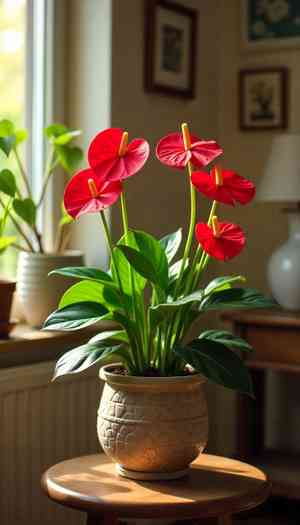
Native to Costa Rica, Anthurium scherzerianum is celebrated for its decorative, glossy blooms and a coiled spadix, establishing it as a captivating indoor plant. Successful cultivation of Anthurium scherzerianum entails utilizing cuttings possessing a minimum of one leaf and several aerial roots. These sections ought to be embedded in a blend of perlite and peat for peak development. Furthermore, sustaining elevated humidity and a consistent temperature will foster root formation. Through diligent attention, propagation can yield flourishing new specimens that invigorate any interior environment.
What Is the Best Time To Propagate Pigtail Anthurium?
Propagation Type
Cutting
Propagation Season
Spring,Summer
What Tools Are Used in Pigtail Anthurium Propagation?
Sharp Pruning Shears
These are crucial for making clean cuts from the parent pigtail anthurium, minimizing harm to plant tissues. A precise cut helps prevent disease and promotes quicker rooting.
Rooting Hormone
This aids root formation when applied to the cut end of the pigtail anthurium cutting. It encourages faster root development, boosting propagation success rates.
Sterilizing Solution (e.g., Isopropyl Alcohol)
Used to sanitize pruning shears before and after cutting pigtail anthurium to stop disease spread between plants. Sterilization is vital, especially when using tools on multiple plants.
Potting Mix
A well-draining, aerated potting mix suitable for pigtail anthurium is essential for successful cutting propagation. It should hold moisture without becoming waterlogged, fostering healthy root growth.
Clear Plastic Bags or Covers
These create a moist environment around the newly planted pigtail anthurium cuttings, which is crucial to prevent them from drying out before their roots fully develop.
Labels and Waterproof Markers
Use these to mark cuttings with the date and plant type. This is important for tracking growth and maintaining organization in cultivation areas.
How to Propagate Pigtail Anthurium?
Propagation Type
Easy
How to Care for Your Newly Propagated Pigtail Anthurium?
How to Care for Your Newly Propagated Pigtail Anthurium?
Pigtail anthurium thrives in indirect light and consistently moist soil. After propagation, maintain high humidity by misting or using a humidity tray. Fertilize with a balanced, half-strength water-soluble fertilizer every 4-6 weeks during the growing season. Check for pests like aphids and spider mites and treat as needed. Avoid overwatering to prevent root rot, and ensure the pot drains well.
Common Mistakes to Avoid When Propagating Pigtail Anthurium
Over-watering
Excessive moisture can cause root rot in pigtail anthurium, a plant that needs well-draining soil and moderate irrigation.
Too much light
While pigtail anthurium enjoys bright, indirect light, direct sun can scorch its leaves, leading to poor health and reduced propagation success.
Neglecting humidity
Pigtail anthurium thrives in humid conditions. Ignoring this need may result in slowed growth and suboptimal propagation outcomes.
Using dull tools for cutting
Dull cutting tools can harm pigtail anthurium's stems, creating jagged cuts more prone to infection and hindering successful propagation.
Planting in oversized pots
Starting pigtail anthurium cuttings in a pot that is too large can lead to excessive water retention in the soil, which can negatively affect the roots and impede successful establishment.
Tips For Propagating Pigtail Anthurium
Sterile equipment
Utilize sanitized cutting tools to prevent disease transmission when propagating pigtail anthurium, ensuring healthier cuttings and a higher success rate.
Appropriate pot size
Choose a pot that is proportionate to the size of pigtail anthurium's cutting. This encourages proper root development and prevents excess soil moisture.
Correct soil mix
Employ a porous soil mix that promotes drainage for pigtail anthurium, such as a blend of peat and perlite, to prevent waterlogging.
Indirect light
Place pigtail anthurium in a location where it receives bright but indirect light to stimulate growth without risking leaf burn.
Maintaining humidity
Keep the environment around pigtail anthurium humid, using a humidifier or placing the pot over a tray of water and pebbles, to create conditions conducive to its propagation.



