How to Propagate Garden chervil?
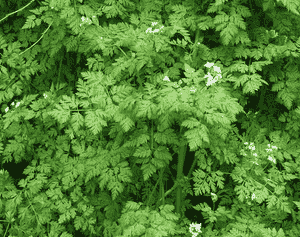
Garden chervil flourishes most effectively when reproduced by seeding. To achieve the best outcomes, new seeds ought to be utilized annually, as their ability to germinate diminishes rapidly. Direct planting in the intended spot or in pots with a light covering will facilitate successful sprouting, provided the seeds remain damp. Relocating the plants is typically ill-advised because of their fragile root structure, which benefits from being left undisturbed.
Optimal Period for Garden Chervil Propagation
Propagation Type
Sowing
Propagation Season
Spring
Tools Utilized in Garden Chervil Propagation
Seed trays
Seed trays are vital for initiating garden chervil's seeds indoors. They provide consistent growing conditions and simplify managing numerous seeds in a confined space. Their shallow depth is perfect for garden chervil's small seeds, preventing them from being buried too deeply, which could impede germination.
Peat pots
Peat pots are advantageous for garden chervil as they minimize root disturbance during transplanting. Given garden chervil's delicate roots, which are easily damaged, biodegradable peat pots allow direct planting into the soil, lessening transplant shock and fostering healthier growth.
Misting bottle
A misting bottle is essential for gently hydrating garden chervil's seeds without dislodging them. It delivers the necessary moisture for germination in a controlled manner, ensuring the soil is evenly damp but not saturated, which is crucial for successful garden chervil sprouting.
Fine vermiculite
Fine vermiculite is suggested as a soil amendment for sowing garden chervil's seeds. It enhances soil aeration and moisture retention, creating an ideal germination environment. Vermiculite is especially useful for garden chervil as it aids in maintaining the delicate moisture balance required for seed germination without causing mold or rot.
Labels and markers
Using labels and markers is important for tracking garden chervil's seed varieties and planting dates. This is particularly helpful when propagating multiple batches or types of plants. Proper labeling prevents confusion and ensures appropriate care during critical germination and early growth stages.
How to Propagate Garden Chervil?
Propagation Type
Easy
Post-Propagation Care for Garden Chervil
How to Care for Your Newly Propagated Garden Chervil?
After propagation, it's vital to maintain consistent soil moisture without waterlogging. Garden chervil thrives in cool conditions, so offer some shade during warmer months. Regularly applying a thin layer of compost around the plants will help keep the soil fertile and encourage lush growth. Harvest garden chervil leaves gently to promote further production. Protect the plants from pests and diseases by practicing good hygiene and crop rotation.
Common Errors to Avoid When Propagating Garden Chervil
Overwatering
Excessive watering can lead to root rot in garden chervil, which is vulnerable to waterlogged conditions. This can significantly impede the plant's growth and survival.
Deep sowing
Garden chervil's seeds are small and require light for germination. Planting the seeds too deeply can prevent them from sprouting because they may not receive sufficient light exposure.
Ignoring soil type
Garden chervil prefers well-drained, fertile soil. Using a heavy or poorly draining soil can cause water to accumulate around the roots, fostering fungal diseases and poor plant health.
Crowding seeds
Planting garden chervil's seeds too close together can restrict their access to sunlight, nutrients, and air circulation. This overcrowding can result in weaker plants and reduced yields.
Tips For Propagating Garden Chervil
Surface sowing
Since garden chervil's seeds need light to germinate, they should be sown directly on the soil surface or covered very lightly with soil, ensuring adequate light exposure.
Maintain moisture
While avoiding waterlogging, maintaining a consistent moisture level is crucial for garden chervil's germination. Use a fine mist to keep the soil moist but not soggy.
Use well-draining soil
Opt for a light, fertile, and well-draining soil mix to support garden chervil's health. This helps prevent water accumulation and promotes robust root development.
Adequate spacing
Give garden chervil's seeds sufficient space when sowingâabout 1 inch apartâto ensure adequate light, nutrient availability, and air circulation for each sprouting seed.



