How to Propagate Angelonia?
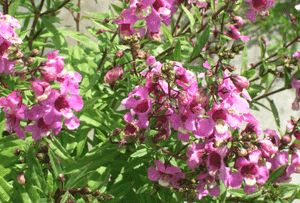
Angelonia flourishes when reproduced via stem sections. For peak outcomes, choose robust, non-blooming stalks and sever them at a 45-degree incline to enhance the uptake surface. Employ a rooting stimulant to foster more rapid root formation, guaranteeing swifter integration. Insert the cuttings into a porous soil blend, preserving moisture levels around them until roots emerge and fresh foliage develops.
Optimal Time for Angelonia Propagation
Propagation Method
Cutting
Propagation Period
Spring,Summer
Tools for Angelonia Propagation
Sharp Pruning Shears
These are vital for making clean cuts on stems for propagation. Sharp blades ensure a precise incision without crushing the stem tissues of angelonia, which is key for promoting healthy root growth. Shears should be disinfected before use to prevent disease spread.
Rooting Hormone Powder
This product boosts root formation in angelonia stem cuttings. Applying rooting hormone to the fresh cut aids in stimulating quicker root initiation, thereby increasing the overall success rate of propagation.
Sterile Potting Mix
A light, well-draining, and sterile potting medium offers the perfect environment for angelonia cutting root development. The sterile nature of the mix guarantees no harmful pathogens will damage the delicate new roots.
Propagation Tray
Used to hold the potting mix and cuttings, these trays help maintain an organized propagation setup. For angelonia, high humidity around cuttings can be achieved with a tray featuring a clear plastic dome or cover.
Heat Mat
Placing angelonia cuttings on a heat mat can significantly accelerate root development by maintaining a consistent and ideal soil temperature. This is especially beneficial in colder climates or during cooler times of the year.
How to Propagate Angelonia
Propagation Type
Easy
Caring for Newly Propagated Angelonia
Caring for Newly Propagated Angelonia
Once roots have formed, typically in 3-4 weeks, gradually introduce the young angelonia plants to less humid conditions by removing the plastic cover if used. Continue to keep the soil consistently moist and provide the plant with bright, indirect illumination. After establishment and new growth appears, begin fertilizing with a balanced, water-soluble feed every two weeks during the growing season. Gradually harden off the angelonia by exposing it to outdoor conditions if it is to be planted in the garden.
Common Errors to Avoid When Propagating Angelonia
Overwatering
Excessive moisture can lead to root rot in angelonia, which is detrimental as it hinders the plant's ability to absorb nutrients and water, essential for healthy growth and development.
Using non-sterile tools
Using unsterilized tools can introduce pathogens to angelonia, causing diseases that can severely impact propagation success by affecting the health of cuttings or seedlings.
Deep planting
Planting angelonia cuttings or seeds too deeply can impede their ability to sprout effectively. This is problematic as it may weaken the plant’s initial growth phase, affecting overall health and survivability.
Ignoring light requirements
Failing to provide adequate light during angelonia propagation can result in weak, elongated growth as the plant stretches towards a light source, which compromises its stability and robustness.
Tips For Propagating Angelonia
Use of rooting hormone
Applying a rooting hormone to angelonia cuttings can significantly enhance root development, ensuring stronger establishment and improved growth rates.
Maintain moderate humidity
Keeping humidity levels controlled around angelonia during propagation helps maintain sufficient moisture around the cuttings without creating damp conditions that lead to diseases.
Appropriate soil mix
Using a well-draining soil mix helps prevent waterlogging and supports adequate air exchange around angelonia roots, crucial for the health of developing plants.
Providing indirect light
Ensuring that angelonia receives indirect, bright light during propagation encourages effective photosynthesis without the risk of sunburn or excessive heat, which can damage young plants.



