How to Propagate Tall Thimbleweed?
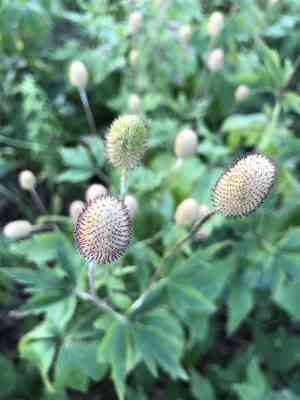
The most effective way to propagate towering Thimbleweed is by utilizing its tubers during the springtime. This method presents a moderate level of difficulty. The emergence of fresh shoots and foliage signifies successful propagation. Adequate hydration is crucial for robust development.
Optimal Time for Tall Thimbleweed Propagation
Propagation Method
Utilize The Tubers
Propagation Period
Spring
Tools Required for Tall Thimbleweed Propagation
Garden Fork or Spade
A garden fork or spade is crucial for excavating tall Thimbleweed tubers without causing significant harm. The tool's sharp tines or blade assist in carefully loosening the soil around the tubers, facilitating their removal without injury. Opting for a fork or spade with stainless steel tines/blades is particularly advantageous as it resists corrosion and soil adherence.
Sharp Knife or Secateurs
Once tall Thimbleweed tubers are unearthed, a sharp knife or secateurs are employed for division if needed. This is vital for maintaining tuber health by ensuring clean cuts that minimize damage and lower disease risk. A knife with a stainless steel blade that retains its sharpness is perfect for precise cutting.
Potting Mix or Soil
A premium potting mix or soil supplies the essential nutrients and structure for newly propagated tall Thimbleweed tubers. It encourages robust root development and provides adequate drainage, which is critical for preventing root rot. Organic blends and those formulated for native plants can be especially beneficial due to their nutrient composition tailored to tall Thimbleweed's needs.
Planting Containers
Containers enable regulated growth conditions for new tall Thimbleweed propagules. They should possess sufficient depth to accommodate roots and offer ample space for growth. The presence of drainage holes at the bottom is essential to prevent waterlogging and ensure a healthy root system.
Watering Can or Hose with Adjustable Nozzle
A watering can or hose with an adjustable nozzle allows for controlled water flow and delivers a gentle spray that won't disturb newly planted tall Thimbleweed tubers. This control helps maintain optimal soil moisture levels, which is crucial for root establishment and growth.
Labels or Markers
Clear labeling of containers holding tall Thimbleweed tubers is important for tracking growth progress and specific care requirements. This ensures proper care throughout the propagation process and aids in plant identification once they begin growing, which can be important for documentation or when managing multiple species.
How to Propagate Tall Thimbleweed?
Propagation Method
Utilize The Tubers
Difficulty Level
Easy
Caring for Your Newly Propagated Tall Thimbleweed
Caring for Your Newly Propagated Tall Thimbleweed
Following successful propagation, continue to care for tall Thimbleweed by keeping the soil consistently moist but not waterlogged. During the active growth period, fertilize plants with a balanced, slow-release fertilizer to support their development. As tall Thimbleweed is relatively drought-tolerant once established, reduce watering frequency. Protect from intense heat by providing shade if necessary. In winter, apply a layer of mulch to shield tubers from freezing temperatures. Monitor for pests and diseases, and manage them promptly with appropriate horticultural practices.
Common Propagation Mistakes to Avoid with Tall Thimbleweed
Disregarding soil preferences
Using soil that doesn't mimic tall Thimbleweed's natural habitat can impede root development. Tall Thimbleweed prefers well-drained soil rich in organic matter. Planting in clay-heavy or overly sandy soils without amendments can lead to water stress or poor nutrient absorption.
Excessive watering
While tall Thimbleweed requires consistent moisture, especially during root establishment, too much water can cause root rot. This is particularly detrimental during propagation, where young roots are more vulnerable to decay.
Planting depth
Planting seeds or roots too deeply can result in poor germination and weak growth for tall Thimbleweed. This species typically requires shallow sowing, as seeds need light for germination and roots need proper oxygen exchange.
Neglecting division timing
Dividing tall Thimbleweed at the wrong growth stage risks damaging the parent plant and reducing the vigor of the divisions. Although the best season for propagation isn't to be mentioned, it's crucial to avoid division when the plant is flowering or stressed.
Tips For Propagating Tall Thimbleweed
Soil amendment
Improve the native soil with compost or leaf mold to create conditions favorable for tall Thimbleweed's growth. This enhances soil structure, drainage, and nutrient content.
Moisture control
Maintain soil moisture at an optimal level. Use a mulch layer to conserve moisture and decrease watering frequency. Pay attention to the soil's surface moisture and adjust irrigation accordingly.
Shallow planting
Sow seeds superficially to ensure they receive the necessary light for germination. When planting roots or divisions, ensure they are placed at the appropriate depth, mimicking their natural growth environment.
Gentle separation
When dividing tall Thimbleweed, carefully untangle the roots to minimize damage. Use sharp, clean tools to cut through the root mass if necessary and ensure each division has a good amount of roots and shoots.



