How to Propagate Broomsedge bluestem?
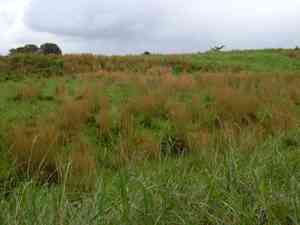
Andropogon virginicus multiplies most effectively by splitting in either spring or fall. Its propagation is relatively straightforward. The emergence of new stems and root development indicates successful multiplication. During this procedure, ensure the roots are properly separated.
Optimal Period for Broomsedge Bluestem Propagation
Propagation Method
Separation
Propagation Period
Spring, Fall
Essential Tools for Broomsedge Bluestem Propagation
Sharp Spade or Garden Fork
A keen spade or garden fork is vital for separating the thick root masses of broomsedge bluestem. It helps cut through dense soil and roots without excessive harm, and for lifting the clumps from the ground. This minimizes root disturbance, which is crucial for successful propagation.
Pruning Shears
Pruning shears are utilized to trim the foliage and roots of broomsedge bluestem prior to division. Clean cuts prevent disease and promote faster recovery after transplanting. Ensure shears are sharp and sanitized to lessen plant stress.
Garden Trowel
A garden trowel assists in digging small holes for the separated broomsedge bluestem divisions. It offers precise control over the size and depth of planting holes, ensuring proper placement which impacts root establishment and growth.
Watering Can with Fine Rose Attachment
Delivers gentle irrigation to broomsedge bluestem post-planting, essential for settling the soil and establishing roots. The fine rose attachment ensures an even, soft flow that will not disturb the newly planted divisions or soil structure.
Rooting Hormone (optional)
Though not critical for broomsedge bluestem, rooting hormone might encourage quicker root development on cuttings or divisions. It aids in reducing propagation time and boosting the success rate, particularly in a controlled propagation setting.
How to Propagate Broomsedge Bluestem?
Propagation Type
Division
Difficulty Level
Easy
Caring for Your Newly Propagated Broomsedge Bluestem
Caring for Your Newly Propagated Broomsedge Bluestem?
After propagation, broomsedge bluestem requires minimal attention. Water new plants consistently until they are established, typically for the initial growing season. Broomsedge bluestem is drought-tolerant and can thrive with infrequent watering once mature. Fertilization is usually unnecessary as broomsedge bluestem is adapted to low-fertility soils. Monitor for pests and diseases, though broomsedge bluestem is generally resilient. As a native grass, it typically demands less upkeep than cultivated ornamental grasses.
Common Errors to Avoid When Propagating Broomsedge Bluestem
Overwatering
Excessive irrigation can lead to root rot, which is harmful to the health of broomsedge bluestem. This species naturally thrives in drier conditions, and too much moisture can hinder its root development and increase the likelihood of fungal infections.
Poor soil preparation
Failing to provide a well-draining soil mix can result in waterlogged conditions that broomsedge bluestem cannot endure. Such an environment does not mimic its natural habitat, which can impede root growth and reduce the plant's survival rate.
Planting density
Planting broomsedge bluestem too closely together can lead to competition for sunlight and nutrients, which can impede their growth and the development of the characteristic clumps this species is known for.
Neglecting clump division
Forgetting to divide mature clumps can result in an overcrowded growth habit, leading to reduced vigor and a decrease in the number of new plants produced.
Advice for Propagating Broomsedge Bluestem
Seed stratification
Cold stratifying broomsedge bluestem seeds can significantly improve germination rates. This process simulates natural winter conditions that the seeds would encounter in the wild.
Soil composition
Creating a soil mix that closely resembles broomsedge bluestem's natural sandy and well-drained environment will provide optimal conditions for root development and plant growth.
Spacing
Ensuring adequate space between planted seeds or young plants allows for sufficient air circulation, sunlight penetration, and nutrient availability for each individual plant.
Periodic divisions
Regularly dividing mature broomsedge bluestem clumps helps maintain plant health and encourages propagation. Divided clumps can be replanted to increase the population or to rejuvenate older plants.



