How to Propagate Splitbeard Bluestem?
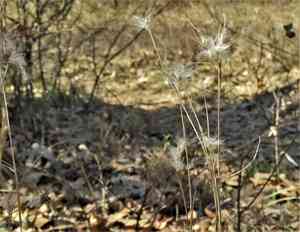
Andropogon gerardii flourishes when multiplied via division, a highly effective technique for this particular grass. During their initial developmental phase, gently separate the root masses to foster successful integration. Verify that every separated portion possesses a robust root structure and promptly re-embed them to reduce root desiccation. Consistent irrigation at the outset will aid the new specimens in taking hold, but after they are settled, Andropogon gerardii exhibits considerable drought resistance and demands little upkeep.
Optimal Time for Splitbeard Bluestem Propagation
Propagation Method
Division
Propagation Period
Spring,Autumn
Tools for Splitbeard Bluestem Propagation
Garden Spade
A robust garden spade is essential for dividing splitbeard Bluestem. Its sharp, flat blade efficiently cuts through soil and roots, enabling clean and precise divisions of the plant's root system. This minimizes damage and ensures each section has sufficient roots to flourish post-transplant.
Root Pruning Shears
Root pruning shears are crucial for cutting through tougher roots during splitbeard Bluestem division. These shears provide clean cuts, helping prevent disease and reduce plant stress. Their sharp, durable blades are ideal for dense root mats, common in grass-like plants like splitbeard Bluestem.
Transplanting Trowel
A transplanting trowel is used to excavate smaller holes for individual splitbeard Bluestem divisions, especially when potting or relocating them. Its narrow blade allows for precise control, making it easier to accommodate specific root shapes and sizes, ensuring better soil contact and root spread.
Watering Can or Hose with a Gentle Sprayer
After dividing and replanting splitbeard Bluestem, gentle watering is vital to settle the soil and remove air pockets around the roots. A watering can with a gentle shower head or a hose with a gentle sprayer ensures even water distribution without disturbing newly planted divisions.
Rooting Hormone (optional)
While not always necessary, applying a rooting hormone to the cut areas of splitbeard Bluestem roots can boost root growth and establishment. This is particularly useful if divisions appear weak, as it stimulates root development, improving survival and growth rates post-transplant.
How to Propagate Splitbeard Bluestem?
Propagation Type
Easy
Caring for Newly Propagated Splitbeard Bluestem
Caring for Newly Propagated Splitbeard Bluestem
After propagating splitbeard Bluestem, maintain moderate soil moisture until the plant is well-established. Splitbeard Bluestem thrives in full sun and prefers well-drained soil. Avoid overwatering, as it is drought-tolerant once established. Minimal fertilization is needed. In late winter, trim old foliage to encourage vigorous new growth in spring.
Common Errors to Avoid When Propagating Splitbeard Bluestem
Overwatering
Excessive water can cause root rot in splitbeard Bluestem, as it prefers well-drained soil. Root rot diminishes the plant's ability to absorb nutrients and water, reducing its growth and survival prospects.
Using non-sterile equipment
Employing unsterilized tools can introduce pathogens to splitbeard Bluestem, leading to infections that significantly hinder propagation success.
Deep planting
Planting splitbeard Bluestem seeds or cuttings too deeply can impede their ability to sprout or root effectively due to insufficient light and oxygen, which are crucial for initial growth stages.
Tips For Propagating Splitbeard Bluestem
Use well-draining soil
Ensuring the use of well-draining soil helps prevent waterlogging, maintaining an optimal moisture balance essential for the healthy growth of splitbeard Bluestem.
Sterilize propagation tools
Sterilizing tools before use helps prevent disease transmission, creating a safer environment for successful propagation of splitbeard Bluestem.
Proper depth for planting
Planting splitbeard Bluestem at the correct depth is crucial. Seeds should not be buried too deep, and cuttings need to be planted shallow enough to facilitate easy sprouting and rooting.



