How to Propagate Threadleaf bluestar?
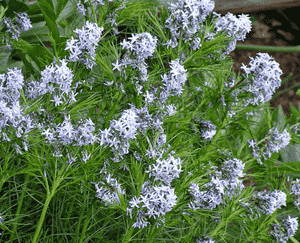
The optimal period for propagating Amsonia hubrichtii is during the spring, utilizing the recommended seeding technique. This species presents a moderate challenge for propagation and indicates successful growth through the appearance of fresh shoots. Sufficient hydration and soil that drains effectively are essential elements.
Optimal Period for Threadleaf Bluestar Propagation
Propagation Method
Seeding
Propagation Season
Spring
Tools Required for Threadleaf Bluestar Propagation
Clean, sharp scissors or secateurs
For precise cuts that avoid harming threadleaf bluestar's tissues during division or when taking stem cuttings. Clean cuts help prevent infection and promote better rooting.
Seedling trays or starter pots
For planting threadleaf bluestar's seeds, offering a controlled setting that supports the initial stages of seedling growth. Starter pots allow for easy transplantation without disturbing the developing roots.
Misting bottle or gentle watering can
To provide delicate water application that ensures the soil remains moist but not waterlogged, which is crucial for threadleaf bluestar's seed germination without disturbing the seeds or causing soil erosion.
Sterile potting mix or seed starting medium
To promote good drainage and aeration, key factors for threadleaf bluestar seed germination and preventing fungal diseases in seedlings. A sterile medium also minimizes the risk of pathogens.
Heat mat (optional)
To maintain a consistent soil temperature, beneficial for threadleaf bluestar's seed germination, especially in cooler climates or during off-season propagation attempts.
Plant labels and marker
To keep track of sowing dates and identify threadleaf bluestar during various stages of development, which is essential for monitoring growth and providing proper care.
How to Propagate Threadleaf Bluestar?
Propagation Type
Sowing
Difficulty Level
Easy
Caring for Your Newly Propagated Threadleaf Bluestar
Caring for Your Newly Propagated Threadleaf Bluestar
After propagation, threadleaf bluestar should be planted in an area with full sun to partial shade. The soil should be well-draining and kept moderately moist. Threadleaf bluestar does not require a lot of fertilizer; a light application of a balanced, slow-release fertilizer in the spring is sufficient. As threadleaf bluestar matures, it becomes drought tolerant. Mulch the base to retain moisture and control weeds. Deadheading is not necessary, as threadleaf bluestar does not readily self-seed. Cut back foliage in late winter to tidy up the plant and make way for new growth. Threadleaf bluestar responds well to division every few years if growth becomes congested.
Common Mistakes to Avoid When Propagating Threadleaf Bluestar
Overwatering cuttings
A mistake when propagating threadleaf bluestar from stem cuttings is overwatering, which can lead to rot. Excess moisture reduces the oxygen available to the cuttings, causing the stems to decay before they can root.
Planting seeds too deeply
When propagating threadleaf bluestar from seeds, a common error is planting them too deep, which prevents the seeds from receiving enough light to germinate and can hinder their ability to reach the soil surface.
Ignoring soil drainage
Utilizing soil with poor drainage can lead to waterlogged conditions that are detrimental to threadleaf bluestar root development during propagation, potentially causing root rot.
Neglecting humidity for cuttings
Threadleaf bluestar's cuttings require a certain level of humidity to root successfully. Lack of a humid environment may cause the cuttings to dry out before rooting.
Using dull tools
Cutting threadleaf bluestar with dull tools can damage tissues and make it harder for cuttings to form roots, as well as increase the risk of disease transmission.
Tips For Propagating Threadleaf Bluestar
Sterilize equipment
Disinfecting tools before taking cuttings of threadleaf bluestar minimizes disease transmission, ensuring healthier propagation material.
Rooting hormone application
Applying rooting hormone to threadleaf bluestar cuttings can encourage quicker and more reliable root development, increasing the success rate of propagation.
Adequate lighting for seed germination
Providing the right amount of light ensures that threadleaf bluestar seeds will germinate effectively. Too little light can result in weak seedlings or failure to germinate.
Careful water management
Maintain consistent moisture but avoid overwatering threadleaf bluestar cuttings and seeds. Balance is crucial to providing the necessary hydration without causing rot.
Moderate humidity
Creating a humid microclimate for threadleaf bluestar cuttings, such as with a plastic cover, promotes healthy root growth without the cuttings' desiccating.



